Services
Demolition Scrap & Site Clearance
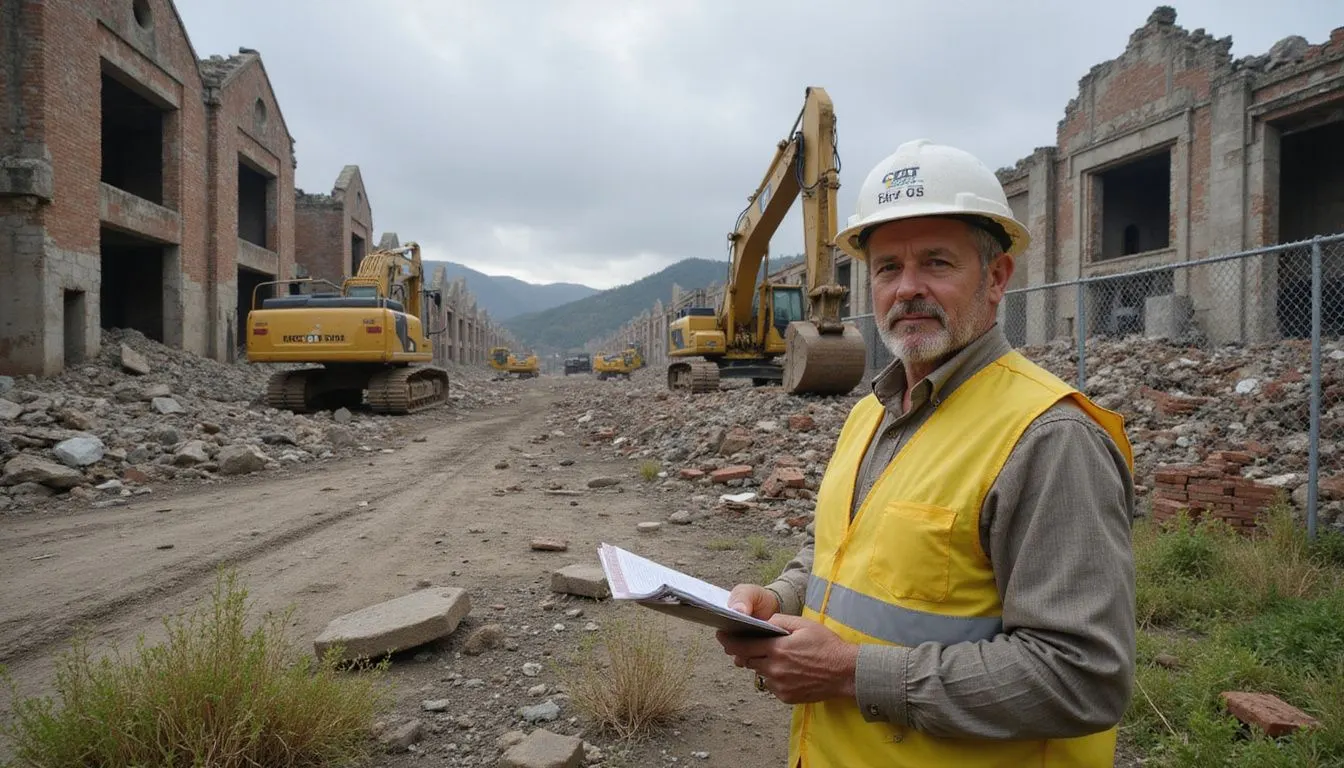
We buy demolition scrap and clear sites — pre-demolition steps, safe asbestos handling and segregating steel for top scrap value.
Quick answer
We buy the scrap metal recovered from demolition and site clearance, including steel, copper and recyclable construction debris. Bring your sorted loads to our licensed yard, where we weigh every load on a verified weighbridge and pay same-day EFT. Segregating metals on site earns the best rate, so ask us for current rates before clearance begins.
On this page
Old buildings, overgrown lots, and redundant industrial structures are a familiar sight. For many property owners and contractors, the challenge is not simply clearing the land — it is doing it safely, legally, and in a way that recovers real value from what is removed.
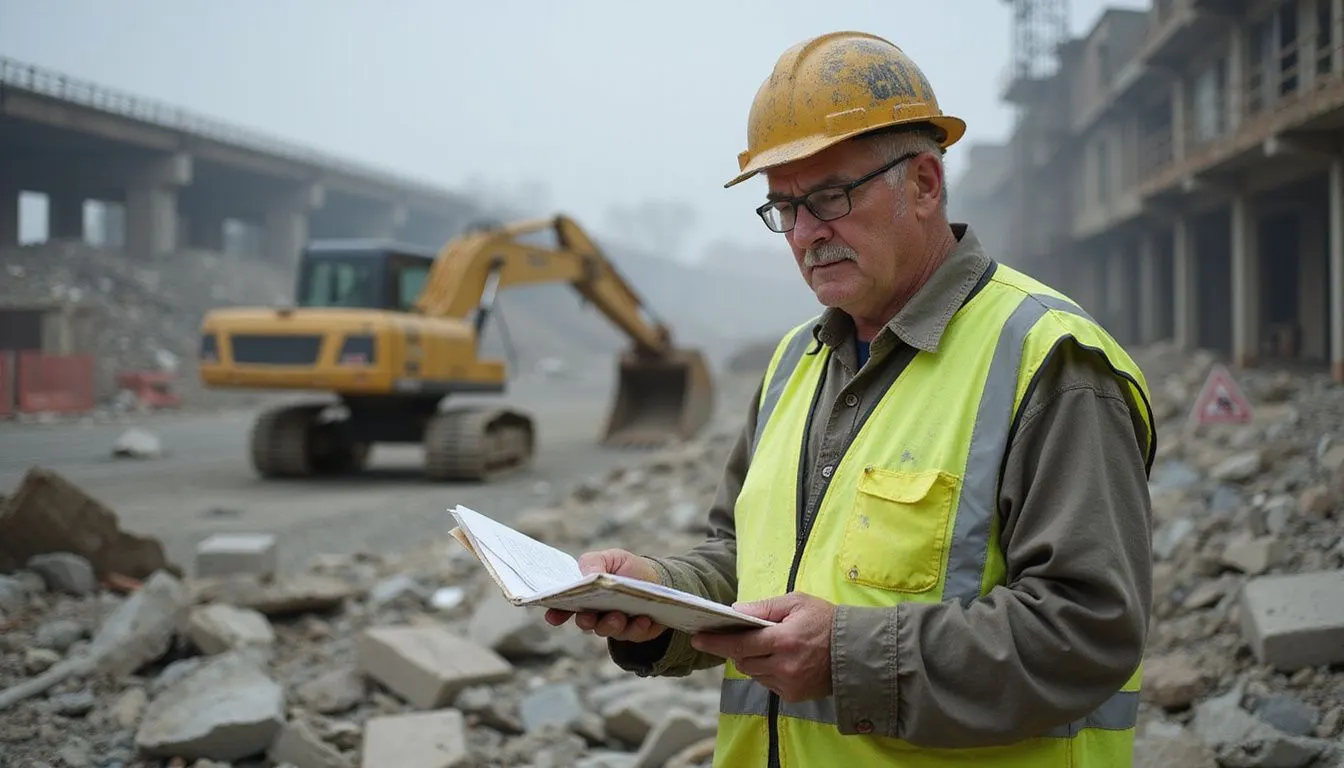
We buy the scrap metal recovered from demolition and site clearance, and we weigh and pay for it on a verified weighbridge. This guide covers the full process — from the essential pre-demolition steps to final land preparation — so you know which steps come first, how hazardous materials must be handled legally, and how to get the most value out of the steel, copper, and other metal you recover.
Quick Facts & Key Takeaways
- Careful waste segregation during demolition supports recycling and proper environmental management, and it protects the value of your recovered metal.
- Demolition contractors must disconnect utilities, obtain permits, conduct hazardous-material surveys, and submit the required 7-day notification to the Department of Employment and Labour before structural work begins.
- Only registered Type 3 Asbestos Contractors may legally remove high-risk asbestos-containing materials before demolition proceeds.
- We buy recovered steel, copper, and other metal, weigh every load on a verified weighbridge, and pay by same-day EFT.
- Properly segregated scrap earns the best rate — sorted, clean steel sells toward the top of the R1.20–R4.00/kg range, and clean copper far higher.
Key phases of demolition and site clearance
Demolition projects move through clear, defined stages that keep work safe and organised. Site clearing demands careful planning, proper permits, and skilled teams to handle everything from structural assessment through to final waste removal.
What are the essential steps before starting demolition?
Proper planning stops costly mistakes. Several critical tasks must be complete before demolition contractors arrive with heavy machinery:
- Disconnect all utilities — electricity, gas, and water — from the structure before work starts.
- Obtain your demolition permits from the local authority for compliance with national building regulations. Under Regulation 4 of the Department of Employment and Labour's Construction Regulations, contractors must also submit a formal Notification of Construction Work to the provincial director at least seven days before demolition begins. Missing this step can halt your project.
- Conduct a full hazardous-materials survey to identify asbestos and other contaminated materials that require specialist removal.
- Engage specialists to assess contaminated materials and plan safe decontamination.
- Arrange waste transfer notes and confirm your waste-management plan meets environmental regulations before machinery arrives.
- Clear vegetation and obstacles from the site perimeter to allow safe access.
- Establish health and safety protocols, including duty-of-care measures, for everyone on site.
- Plan your waste segregation to separate construction debris for recycling and proper disposal.
- Document all pre-demolition conditions and create a site rehabilitation plan for post-clearance work.
Complete documentation matters. Contractors should verify that utility-disconnection proof, asbestos survey reports, and waste transfer notes are all in place before machinery mobilises, to avoid delays and compliance issues during active work.
What are the common structural demolition methods?
The right method depends on the structure, the site, and how much control is needed over debris. Two approaches are common:
| Method | Best for | Key advantage |
|---|---|---|
| Mechanical wrecking | Residential, commercial, and industrial buildings; factories and steelworks | High precision and control over debris; reduces risk to neighbouring properties |
| Explosive implosion | High-rise and very large industrial structures unsuited to mechanical methods | Efficient for structures too large to dismantle piece by piece; must be coordinated by specialists |
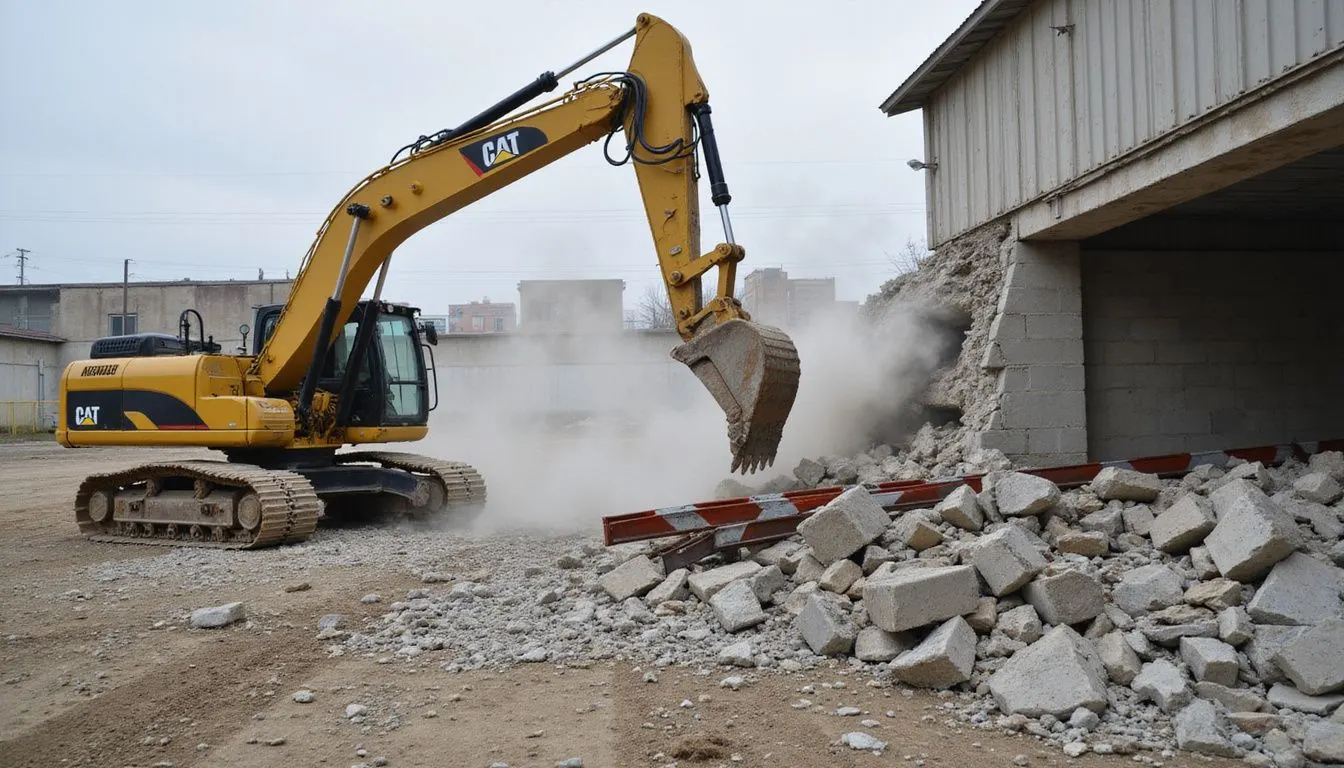
Mechanical wrecking is the most common approach and the method behind most factory and warehouse clearances. Contractors deploy excavators fitted with hydraulic attachments to dismantle structures piece by piece, using breakers and shears to cut through concrete and steel. It gives operators direct control over debris and minimises risk to surrounding properties.
Explosive implosion is reserved for high-rise structures where mechanical methods are not practical. Specialists place charges to bring the structure down in a controlled collapse. Before any explosives are used, teams complete asbestos removal and full decontamination. After the collapse, concrete crushing separates the valuable metal we can recover.
How is scrap managed and debris removed effectively?
Effective scrap management sits at the centre of our industrial scrap collection. Your clearance team should segregate materials carefully to maximise recycling and recover the most value.
- Segregate metals immediately after dismantling. Sort steel, copper, and other metals from general debris as soon as structural work is done. Clean, sorted steel sells toward the top of the R1.20–R4.00/kg range, while unsorted mixed loads lose value. Grade, weight, and cleanliness all affect the final rate.
- Deploy heavy equipment for large debris to clear the site faster and prepare the land for new work.
- Separate hazardous materials before general demolition begins. Asbestos, lead paint, and other dangerous substances need specialist abatement and safe disposal.
- Bring sorted scrap to our licensed yard. We weigh every load on a verified weighbridge and pay same-day EFT.
- Time your scrap sales. Prices move with the market and cleaner materials always fetch better rates.
- Use certified rigging and transport to move heavy rubble safely. Improper handling creates real risk and can damage recoverable materials.
- Document all debris removal for compliance with waste regulations, with certificates proving proper handling.
Sorting on site is worth the effort: source-separated loads consistently produce a higher clean-metal yield and a better return per tonne than mixed loads sent straight to a crush yard. Establish clear sorting zones during active demolition rather than mixing everything together.
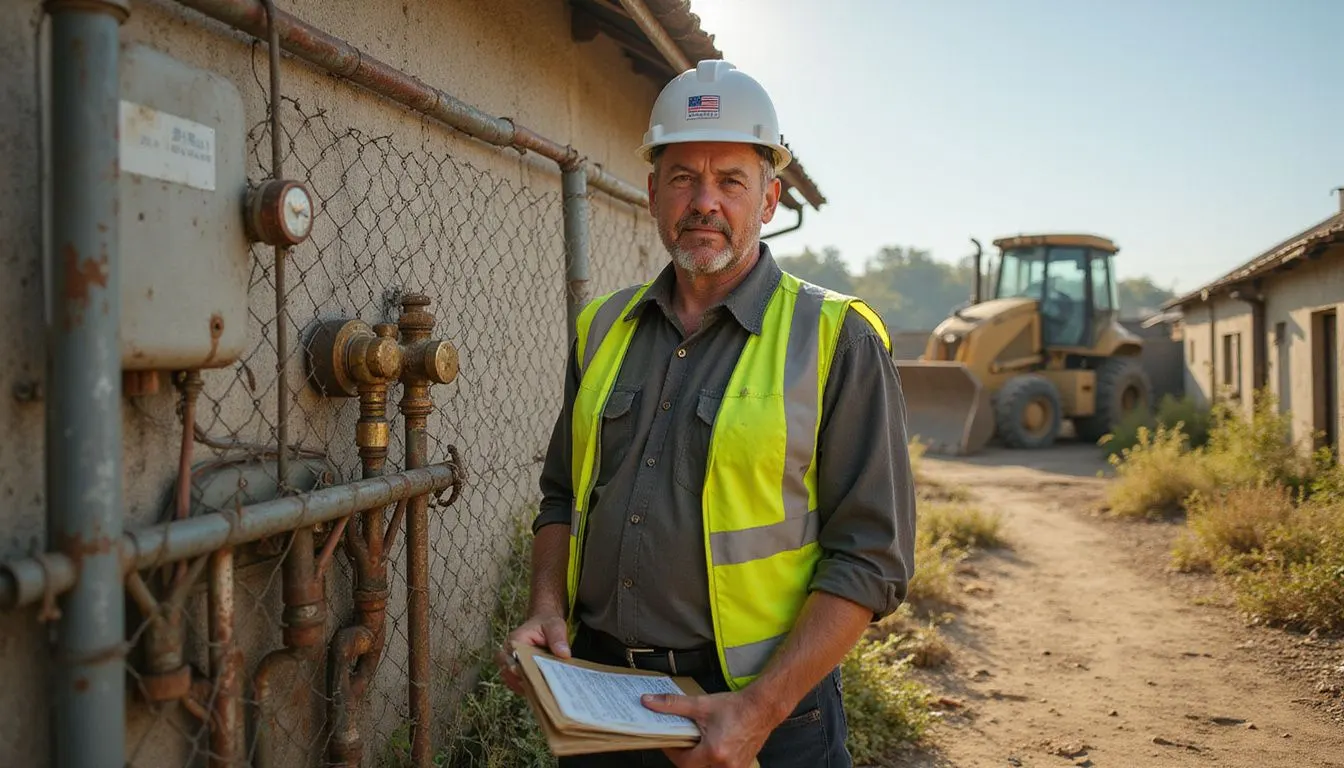
A simple documentation trail also protects you. A sound handover process covers: a site manifest, a load segregation checklist, waste transfer notes, a certified rigging lift plan, weighbridge measurement, a licensed-transporter acceptance record, and a final disposal receipt on file. This meets local waste regulations and gives a clear audit trail.
Types of materials removed
Demolition sites produce a wide range of materials that teams must sort and manage carefully — metals, concrete, wood, vegetation, and hazardous substances all need handling in the right way.
What natural waste is cleared from sites?
Vegetation removal forms a major part of clearance, with contractors extracting trees, shrubs, and undergrowth. Soil and earth also require careful handling during surface grading.
Crews separate organic waste from other debris to manage the site effectively, and much of the vegetation can be processed into mulch or compost. Separating clean, organic waste from building rubble also reduces disposal costs, since mixed construction rubble carries landfill charges that clean, sorted waste often does not — so separation is a smart financial decision as well as an environmental one.
Rubble mixes with natural waste, which makes separation essential for proper disposal. Rigging and transport equipment moves heavy debris safely away from work zones, and factories and businesses must comply with the regulations governing how all waste types are handled.
How are hazardous materials and rubble handled safely?
Hazardous materials like asbestos require proper abatement before demolition starts. Trained specialists identify these substances during the pre-demolition survey. Under 's Asbestos Abatement Regulations of 2020, only registered Type 3 Asbestos Contractors may remove high-risk asbestos-containing materials, such as old roofing and insulation, before structural demolition proceeds.
Hiring any contractor without this certification puts workers at risk and exposes the property owner to serious compliance penalties. This is the single most important check to make before structural work begins.
Reputable contractors follow strict protocols: asbestos teams use specialised equipment and containment, seal off contaminated areas to stop dust spreading, and send all hazardous waste to professional disposal facilities for safe treatment.
- Workers wear full protective gear and follow strict health and safety guidelines.
- Recyclable materials are recovered to minimise landfill waste.
- Certified waste-disposal channels handle all hazardous rubble safely.
- Contractors provide documented proof of safe, legal material handling.
What environmental regulations affect demolition and site clearance?
Environmental regulations shape every part of demolition and clearance work. Your team must obtain proper permits before breaking down any structure, and municipal building codes set strict standards throughout.
Key regulatory framework
| Regulation | What it covers | Your responsibility |
|---|---|---|
| National Environmental Management Act | Overall site operations during clearance | Ensure contractors follow environmental protocols throughout the project |
| NEM:WA 59 of 2008 | Waste management and illegal dumping | Demand certified waste transfer notes; you carry legal duty of care for every load leaving the site |
| Asbestos Abatement Regulations 2020 | Asbestos removal procedures | Hire only registered Type 3 Asbestos Contractors for high-risk materials |
| Construction Regulations (Dept of Employment and Labour) | Demolition notification | Submit a 7-day Notification of Construction Work before demolition starts |
Waste management and duty of care
Under the National Environmental Management: Waste Act (NEM:WA) 59 of 2008, property owners carry a strict duty of care. You can be held legally responsible if your demolition contractor illegally dumps building waste instead of using a licensed facility.
Demanding certified waste transfer notes from your contractor is not optional. It is the primary evidence that protects you if waste is handled incorrectly down the line.
Waste streams must separate into distinct categories for proper disposal or recycling. Steel beams, copper wiring, and concrete rubble each go to the appropriate facility, and healthy steel and cast iron prices make recovering that metal worthwhile. Proper waste management protects groundwater, air quality, and local ecosystems, and involving the right specialists keeps your project within the law.
Conclusion
Demolition scrap and site clearance turns your property into a blank canvas, ready for new development.
You gain real value by separating recyclable materials like steel and copper during clearance, and you can also sell scrap machinery and plant recovered from the site. Proper waste management protects the local environment and keeps your project legal, while health and safety practices and expert rigging keep it on track.
Start your clearance by asking us for current scrap metal rates. We buy the recovered steel and copper, weigh it on a verified weighbridge, and pay same-day EFT.
Frequently asked questions
1. What health and safety rules apply to demolition scrap and site clearance?
Workers must follow the Construction Regulations 2014 under 's Occupational Health and Safety Act. This includes wearing proper protective equipment and completing hazard assessments before any demolition begins. Site managers must ensure staff receive safety training and clear briefings on safe working procedures.
2. How is scrap material handled after a demolition job?
Teams sort and remove scrap quickly and safely, with ferrous metals, copper, and aluminium sent for recycling. Sorted, clean metal recovers far more value than mixed loads, so segregate on site where you can.
3. What does rigging and transport involve in site clearance?
Rigging and transport cover the safe lifting, securing, and moving of heavy debris using certified equipment that meets SANS 10294 standards. Trained workers use proper load calculations and procedures to move materials without causing harm or damage.
4. Who is responsible for health and safety during rigging and transport on a clearance site?
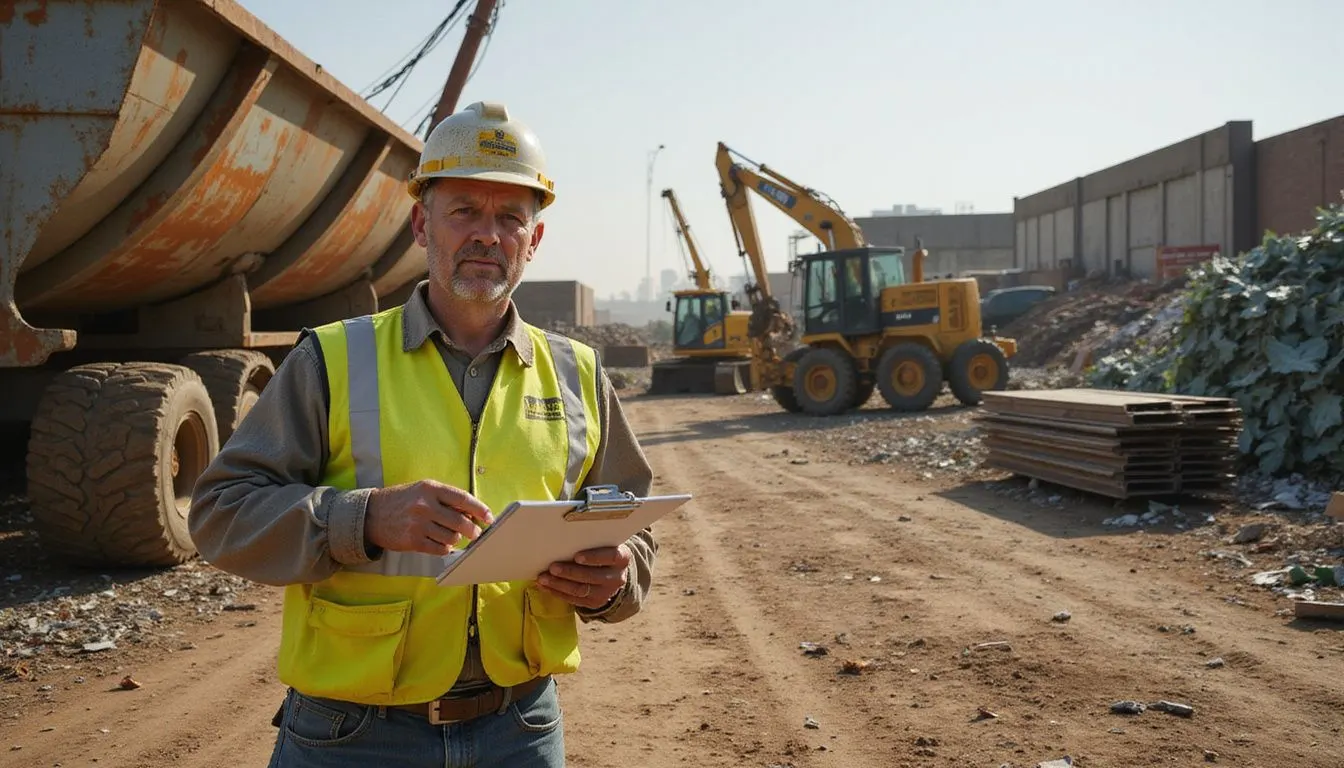
The site supervisor holds direct legal responsibility under the OHS Act for all rigging and transport operations. They must verify that lifting equipment has valid test certificates and that all workers follow approved safe-work procedures.
Know what your scrap is worth.
Request a fast quote, check indicative rates, and we'll weigh your load and pay you same-day EFT — we collect.
Get a QuoteBuy and sell scrap metal with Reclaim Metal Traders
Enquire about scrap metal for sale with your required material, grade and quantity to confirm stock and sales prices. We also buy suitable recyclable scrap: send photos, material details and approximate weight for a buying quote. Transport arrangements and charges are confirmed separately.
Metals we buy · Scrap buying guide prices · Buy or sell — request a quote