
Core
Scrap Metal FAQ
Your scrap metal questions answered: how to sort ferrous and non-ferrous metals, prep for top prices, VIN and ID rules, and how we buy and pay.
Quick answer
We answer 's most common scrap metal questions here: we buy both ferrous and non-ferrous metals like copper, brass, aluminium and steel, and we price each load fairly on its grade, weight, cleanliness and current market rates. Bring valid ID and proof of address as the Second-Hand Goods Act requires, sort with a magnet, and strip contaminants to boost your payout.
On this page
Most people are sitting on more value than they realise. Scrap metal is everywhere, in old appliances, plumbing fixtures, and worn-out machinery, and it is worth real money.
The challenge is preparation. Knowing which metals you have, how to sort them, and what we expect at our yard makes a real difference to your payout.
This guide answers the most common questions we get about scrap metal collection, sorting, pricing, and the legal requirements for selling.
You will learn how to tell ferrous from non-ferrous metals, prepare materials for the best returns, and stay compliant with the rules that apply to every seller.
Quick Facts & Key Takeaways
- Scrap metal recycling cuts energy use and removes the need for destructive mining, so recovering metal is good for your pocket and the environment.
- Carry valid ID or passport and proof of address when you sell, as required by the Second-Hand Goods Act.
- Proper sorting and preparation ensures fair pricing and efficient processing when you bring materials to us.
- Sort with a magnet to separate ferrous metals from higher-value non-ferrous metals like copper and brass.
- Clean and strip contaminants, plastic, and non-metal items before bringing your scrap to our yard for the best payment.
What is scrap metal?
Scrap metal is old or broken metal you can recycle. It comes from old cars, appliances, wires, and cans. Factories, demolition companies, and homeowners generate scrap metal every day.
You find it in discarded machinery, plumbing fixtures, and HVAC systems from building projects. The value of your scrap depends on several things: metal grade, weight, cleanliness, market conditions, and demand. We assess each load carefully and quote a fair price based on current rates and the graded weight on a verified weighbridge.
Scrap metal falls into two main categories. Ferrous metals contain iron and are magnetic, including cast iron and steel from old vehicles. Non-ferrous metals contain no iron and are non-magnetic, including copper, aluminium, brass, and stainless steel.
Copper usually earns the highest prices among non-ferrous metals at our yard. Good preparation, including sorting and removing non-metal items, leads to higher payouts. Understanding these metal types helps you earn more every time you sell your scrap metal to us.
Types of scrap metal
You can sort scrap metal into two main groups: ferrous and non-ferrous. Each has different value and recycling uses, so knowing which metals you have is your starting point.
What are ferrous metals?
Ferrous metals contain iron as their main element. Steel and cast iron are the most common types you will find at home or on site. These metals stick to magnets because iron is magnetic.
Contractors, factories, and yards like ours handle ferrous metals every day. Global commodity markets such as the London Metal Exchange track metal prices worldwide. Ferrous metals usually carry lower value than non-ferrous metals, so prices per kilogram tend to be modest — indicatively around R1.20 to R4.00/kg for scrap steel and R1.20 to R3.50/kg for scrap iron, confirmed by graded weight on our weighbridge.
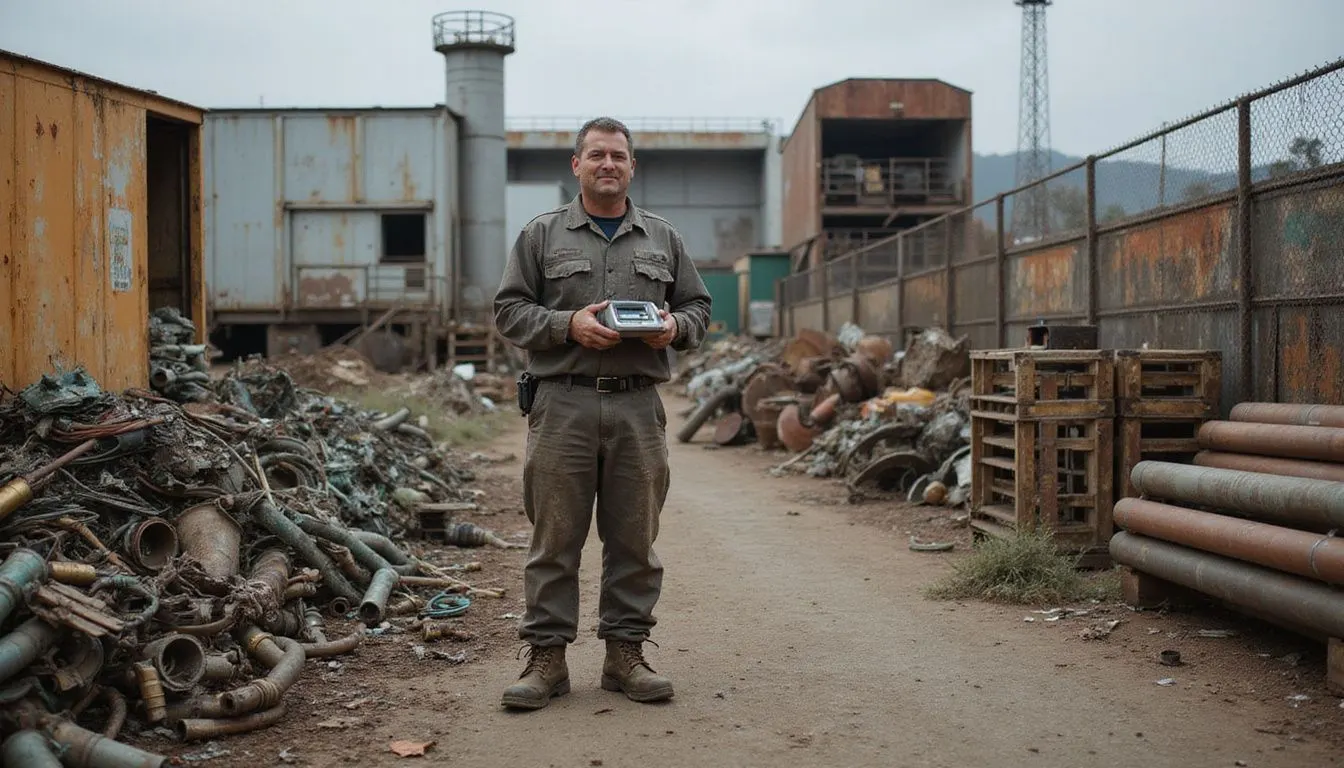
Most construction waste and demolition debris contains ferrous metal that can be recycled. Sorting it from other materials is straightforward: a simple magnet attracts it instantly, and a handheld metal analyser can confirm composition when a magnet test is not enough.
Recycling ferrous metals reduces the need to mine new iron ore. This cuts energy use and supports a cleaner environment in your community, and we play our part in that effort.
What are non-ferrous metals?
Non-ferrous metals contain no iron, which makes them non-magnetic and resistant to rust. They hold greater value than ferrous metals because industry prizes their properties.
As an indicative guide, clean bright bare copper wire (often called "Millberry") sits toward the top of our copper range — copper indicatively runs R105 to R177/kg. That gives you a clear target when sorting your collection. Final figures are always confirmed by graded weight on our weighbridge.
Common non-ferrous materials you are likely to find around your property include:
- Copper pipe and bare wire from plumbing and electrical work
- Aluminium frames, cans, and HVAC components
- Brass fittings from plumbing and fixtures
- Lead from old batteries and roofing materials
We base your payment on purity and weight, with prices shifting according to market demand. Indicative ranges are aluminium R5 to R45/kg, brass R25 to R75/kg, stainless steel R5 to R32/kg, zinc R20 to R55/kg, and lead R9 to R24/kg. You can also find value in e-waste and old fixtures throughout your property. A handheld metal analyser helps identify composition accurately when needed, and our team can guide you through the process.
How to sort scrap metal
Sorting scrap metal correctly saves you time and earns you more at our yard. Simple tools like a magnet, and a handheld metal analyser where needed, help you identify different metals quickly.
How do you use a magnet to sort scrap metal?
Magnets help you separate ferrous from non-ferrous metals quickly. This saves time and increases the value of your collection.
Start with the initial separation:
- Hold a strong magnet near your scrap pile and watch which items attract. Ferrous metals like steel and cast iron stick instantly.
- Place non-magnetic items into a separate container. These include copper, aluminium, and brass, which are worth more.
- Test each piece individually if your pile is mixed. This prevents contamination that lowers your price.
- Inspect catalytic converters and HVAC components carefully. Many contain ferrous parts alongside valuable non-ferrous materials that need separate handling.
Once you have your initial groups, refine and store them properly:
- Arrange your sorted metals into distinct groups before weighing. Purity and weight directly influence the price you receive.
- Re-test questionable items to confirm their magnetic properties. Mixed metals earn lower prices than pure, sorted stock.
- Store ferrous metals away from non-ferrous stock to prevent accidental mixing during transport.
- Use a handheld metal analyser for precise identification when a magnet test is not enough.
Using a single handheld magnet correctly separates most typical household scrap on the first pass, with only minor spot checks needed for painted or coated items. This makes magnet testing a reliable first step for most sorting tasks.
How can you separate scrap metal by value?
After you sort with a magnet, group your materials by their actual worth. Scrap prices move daily with grade, weight, cleanliness, market rates, and demand.
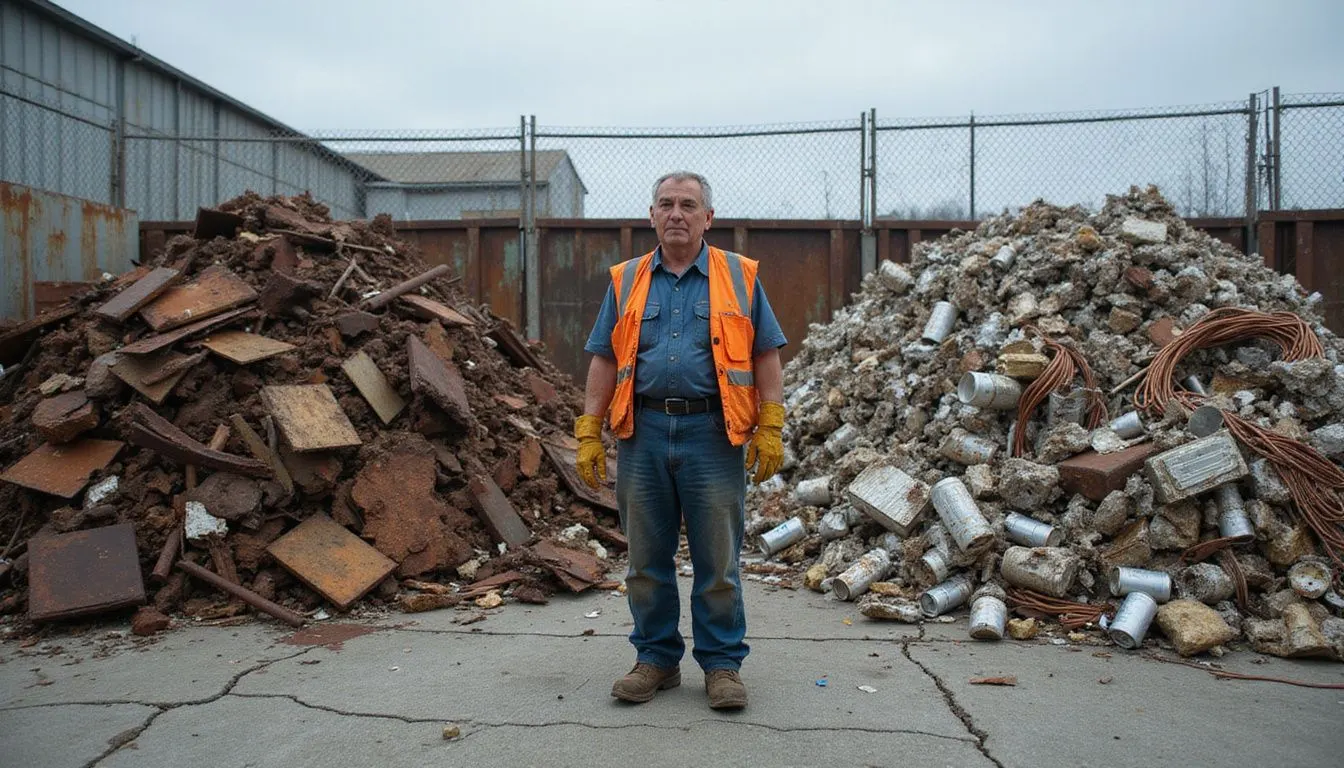
Use this quick reference to understand where common materials sit on the value scale:
| Metal Type | Category | Relative Value | Indicative Range |
|---|---|---|---|
| Copper (bare, bright) | Non-ferrous | Highest | R105 to R177/kg |
| Brass / Bronze | Non-ferrous | High | R25 to R75/kg |
| Aluminium | Non-ferrous | Medium-High | R5 to R45/kg (clean, uncoated preferred) |
| Stainless steel | Non-ferrous | Medium | R5 to R32/kg (keep separate from other steel) |
| Steel / Cast iron | Ferrous | Lower | R1.20 to R4.00/kg |
All figures are indicative and confirmed by graded weight on our weighbridge.
With your value tiers clear, follow these steps:
- Identify copper and brass items first. Copper ranks among the highest-paying metals you can sell to us.
- Place ferrous metals, including iron and steel, into separate containers. These hold lower value than non-ferrous options.
- Collect other non-ferrous metals together, such as aluminium, zinc, and lead. These command higher prices.
- Weigh each category so you understand which groups contribute most to your total.
Preparation genuinely pays. Leaving PVC insulation on copper wiring drops it to a lower-value insulated grade, while stripped bare copper wire earns the higher bare-copper range. Taking a little time to strip your wire before you arrive can meaningfully increase what you walk away with.
A few final steps make a real difference:
- Check our current scrap metal prices with us before you come, as prices shift constantly.
- Sort bronze separately, as this alloy often fetches premium rates.
- Keep copper coils and brass fittings in dedicated groups for consistent results.
- Use a handheld metal analyser to verify composition when you are unsure.
Preparing scrap metal for recycling
Prepare your scrap correctly before you bring it in to earn our best rates. Cleaning your materials and sorting them by type ensures you get the best value.
How do you clean and remove contaminants from scrap metal?
We pay top prices for clean metal. Contaminants like dirt, oil, and non-metal items reduce your value.
Start with surface preparation before you load your vehicle:
- Strip away plastic, rubber, and screws from metal pieces. These lower your payout and waste sorting time.
- Wipe down surfaces with dry cloths or wire brushes to remove loose dirt and dust.
- Use a degreaser on oily parts, let them soak briefly, then scrub with a stiff brush to lift stubborn residue.
- Drain all liquids from appliances, motors, and machinery before recycling. Empty tanks prevent contamination.
Then complete your final checks before transport:
- Rinse metal pieces to remove salt, minerals, and chemical deposits.
- Dry cleaned metal thoroughly to prevent rust before you bring it to our yard.
- Inspect each item for paint, coatings, or adhesives, and scrape these away to expose bare metal for maximum value.
- Keep your ID and proof of address ready. We require proof of identity for every scrap transaction.
Removing plastic sheathing, draining oils, and brushing off contaminants moves a "dirty" load into a cleaner, higher grade — and a better per-kilogram quote at the weighing station.
How should materials be properly categorised before recycling?
Proper categorisation maximises your value. Mixing materials can lower your price because mixed loads are graded down.
- Use a magnet to separate ferrous from non-ferrous metals straight after collection. Ferrous metals stick and carry lower value, while copper and aluminium command higher prices.
- Remove all non-metal items from your piles. Plastic, rubber, and wood reduce the quality of clean metal and create extra sorting work.
- Organise your piles into distinct containers to prevent accidental mixing.
- Identify copper, brass, and stainless steel separately from other non-ferrous metals. These fetch different prices, so proper identification ensures fair payment.
Clean metals by removing dirt, grease, and attached materials before delivery. Cleaner materials move faster through shredding, compacting, melting, and purifying.
Stack materials by type and weight in your storage area to reduce handling time and prevent damage. And bring your ID and proof of address when you sell, as we record these for every transaction.
Benefits of recycling scrap metal
Recycling scrap metal saves natural resources and cuts energy costs for factories and businesses. When you sort and prepare your materials correctly, you reduce landfill waste and lower the environmental impact of metal production.
How does recycling conserve natural resources?
Scrap metal recycling protects natural resources. Mining extracts virgin material from the earth, which damages ecosystems and destroys wildlife habitat.
Recycling eliminates much of that need. Factories and contractors can source material without depleting finite resources, and copper, aluminium, and steel all come back to life through proper recycling.
The energy savings are genuinely significant. Consider what proper metal recycling delivers:
- Factories that use recycled material cut their energy costs.
- Lower energy use means fewer greenhouse gas emissions.
- Businesses, homeowners, and contractors make a real difference each time they separate scrap properly.
These efforts support both the environment and the local economy. Understanding how to prepare and sort your scrap ensures maximum environmental benefit and value recovery.
How does recycling reduce energy usage?
Recycling scrap metal cuts energy use substantially. Mining and refining raw material demands huge amounts of power — far more than recycling does.
Melting and purifying recycled metal requires much less energy than processing fresh ore. Non-ferrous metals like copper and aluminium show the biggest savings; recycling aluminium uses a fraction of the energy needed to produce it from virgin bauxite. That is exactly why scrap aluminium is worth far more than just old cans.
Proper sorting and preparation makes the process even more efficient. Clean, organised metal saves time and fuel during processing, and lower energy use means reduced emissions and cleaner air for everyone.
Legal considerations when selling scrap metal
You must follow the rules before you sell scrap metal. These protect both buyers and sellers and help combat metal and cable theft.
What laws do I need to know about selling scrap metal?
The Second-Hand Goods Act 6 of 2009 governs how you sell scrap metal. You must present valid ID or a passport and proof of address when you sell. See our Second-Hand Goods Act compliance guidance for detail. This legislation was designed to combat cable theft and protect everyone in the trade.
Registered buyers like us must keep a detailed transaction register of every seller. Here is what every seller should keep in mind:
- We record your identity and the transaction for compliance.
- Payment is by same-day EFT, not cash, in line with national scrap-metal policy.
- Certain metals, especially copper, carry stricter reporting and registration requirements.
Speaking with our team helps you understand the exact requirements for your situation and keeps your transaction smooth.
What do I need when scrapping a vehicle?
Beyond the standard ID and proof of address, scrapping a complete vehicle has one extra step. Bring the vehicle registration certificate and proof of ownership so we can verify the details and record them properly. This helps prevent the handling of stolen vehicles and protects both you and us.
After the vehicle is scrapped, you should formally deregister it with your local licensing department through eNaTIS by handing in the registration certificate and confirming the vehicle is permanently unfit for use. Skipping this can leave you with licensing arrears for a car that no longer exists. Bringing the correct documents keeps the whole process straightforward.
Conclusion
Scrap metal recycling makes real sense for your wallet and the planet. You now know how to sort ferrous and non-ferrous metals with a magnet, and which materials fetch the highest prices at our yard.
Taking time to clean your materials, remove contaminants, and follow the legal requirements protects you and maximises your returns. Start gathering your copper pipes, brass fittings, and aluminium today.
Your next recycling trip could put real money in your pocket. Contact Reclaim Metal Traders — we are ready to buy your sorted materials.
Frequently asked questions
1. What types of scrap metal can I sell?
You can sell ferrous metals like steel and iron, and non-ferrous metals such as copper, aluminium, and brass. Non-ferrous metals typically command higher prices at our yard, with copper indicatively R105 to R177/kg — confirmed by graded weight on our weighbridge.
2. How do scrap metal prices get determined?
Global commodity demand, tracked on markets like the London Metal Exchange, drives scrap prices, along with the rand exchange rate. We consider the metal type, grade, weight, and cleanliness before making an offer.
3. Do I need to sort my scrap metal before bringing it to you?
Sorting by type helps your payout because mixed loads are typically graded at the lowest-value metal present. Separating your copper, brass, and aluminium from steel means each is priced on its own grade.
4. Is it legal to sell scrap metal?
Yes. The Second-Hand Goods Act of 2009 requires all sellers to provide valid ID or a passport and proof of address, and registered buyers like us must be registered with the Police Service and keep a transaction record.
Know what your scrap is worth.
Request a fast quote, check indicative rates, and we'll weigh your load and pay you same-day EFT — we collect.
Get a Quote