Sell
Sell Zinc & Nickel Scrap
Buying guide rates: rates and estimates on this page refer to scrap we buy. To purchase metal, request a separate sales quote and stock confirmation.
We buy zinc and nickel scrap at our yard: old and new zinc, stainless and nickel alloys. Bring your ID and we weigh on a verified weighbridge.
Quick answer
Yes, we buy zinc and nickel scrap directly at our yard from homeowners, contractors, and factories. Bring a valid ID and proof of residence, and we weigh every load on our own verified weighbridge, check complex nickel alloys with an XRF analyser, and pay competitive rates. Contact us for today's price and to arrange collection.
On this page
If you have old metal sitting at your home or business, you already have something of value. The real question is how much, and how to turn it into cash.
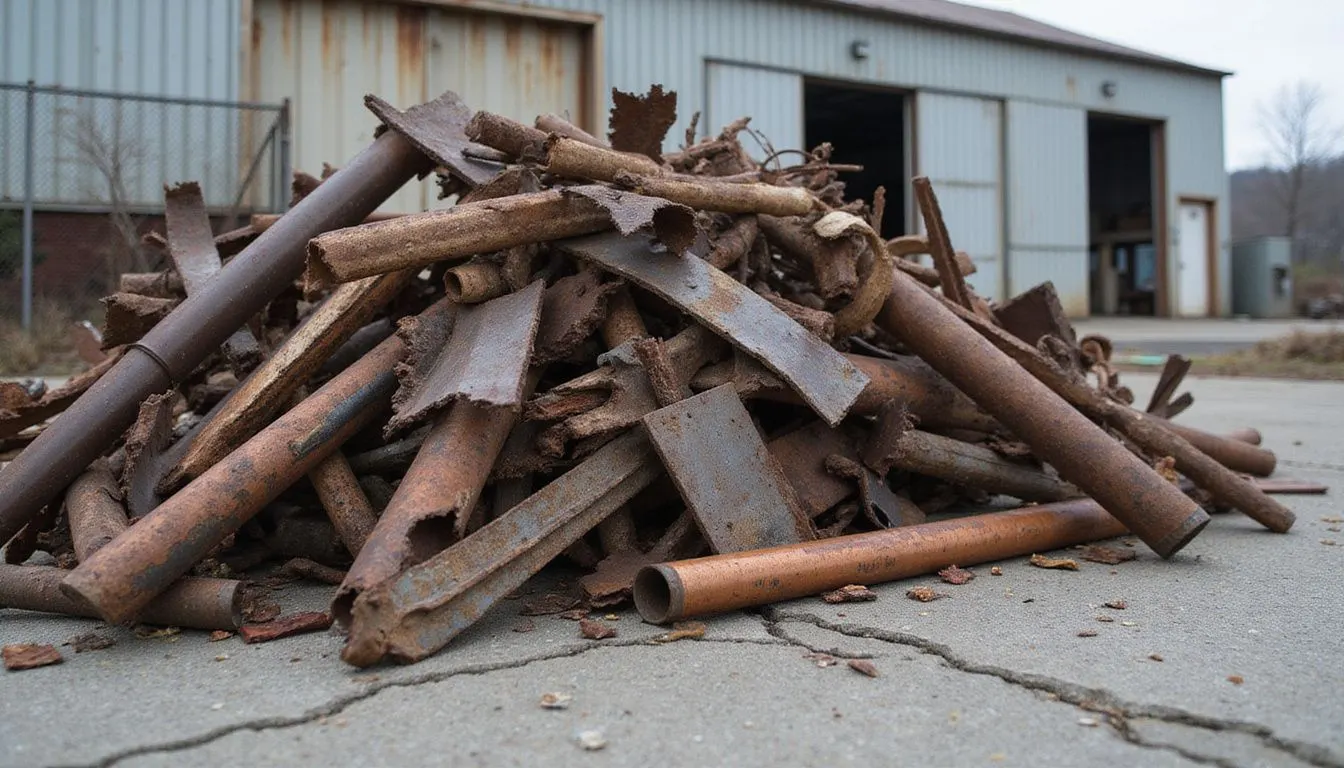
Zinc and nickel are non-ferrous metals. That means we actively buy them at our yard from homeowners, contractors, and factories.
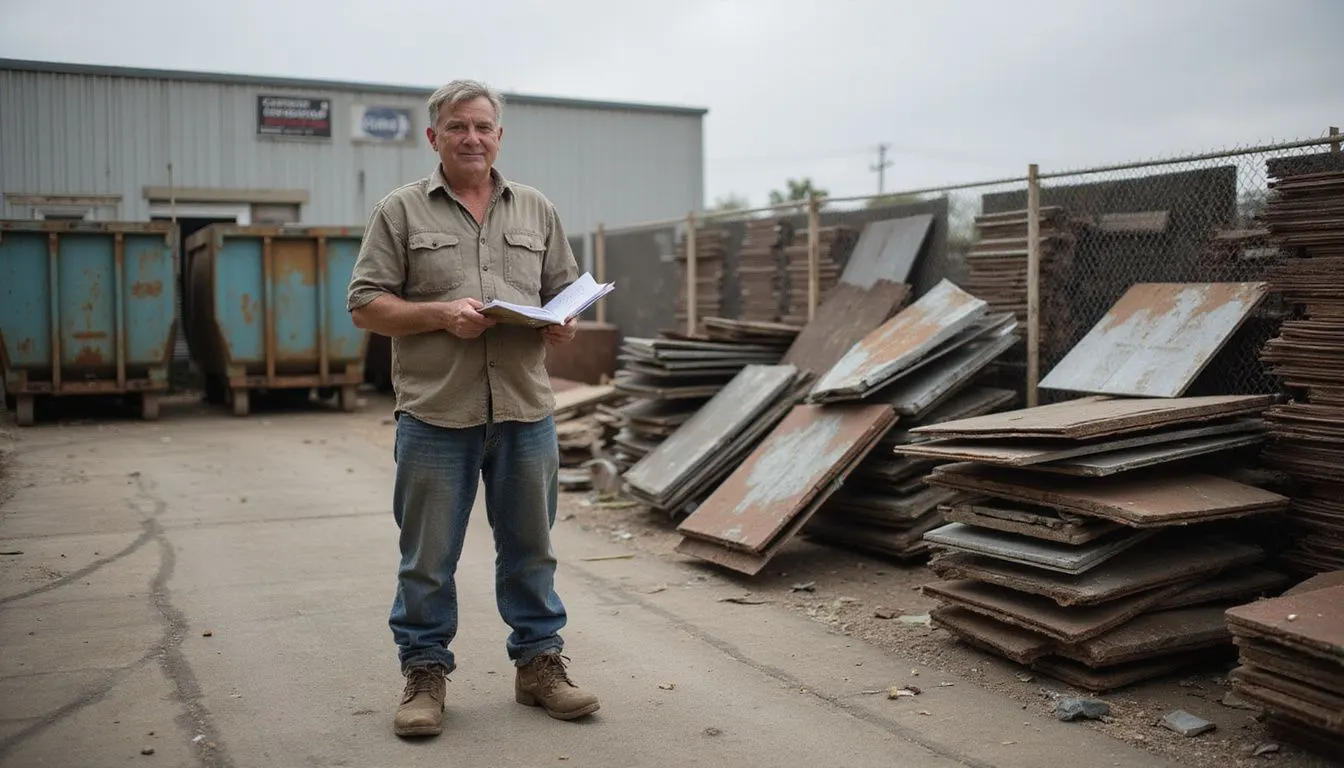
The process is simpler than most people expect. But like any financial transaction, there are a few things to prepare before you arrive at our yard, including the right documentation.
This guide covers the financial and environmental benefits of scrap metal recycling, the key differences between old and new zinc scrap, which nickel alloys fetch the best prices, and how we handle your zinc and nickel scrap at our yard.
Quick Facts & Key Takeaways
- Selling zinc and nickel scrap generates extra income whilst reducing landfill waste and supporting environmental sustainability through recycling.
- According to regulations under 's Second-Hand Goods Act, you must bring a valid ID (or passport) and proof of residence before we can process any scrap transaction.
- Old zinc scrap commands lower prices than new zinc scrap because it requires extensive cleaning and processing before we can reuse it.
- You maximise scrap value by separating ferrous from non-ferrous metals, removing contaminants, and sorting materials by grade before bringing it to our yard.
- Market prices for zinc and nickel scrap fluctuate daily based on global demand, so we update our rates daily and give you today's price when you ask.
- We offer transparent weighing on a verified weighbridge, proper documentation, and competitive pricing, and you're welcome to check our credentials beforehand.
Benefits of selling zinc and nickel scrap
Selling zinc and nickel scrap puts money back in your pocket while you clear out unwanted materials from your property or business. You also reduce waste in landfills and support the circular economy when you recycle these metals with us.
How does selling scrap help the environment?
Recycling zinc and nickel scrap has a direct, measurable impact on the environment. These materials stop toxic substances from reaching landfills, where they poison soil and water.
Mining new metals requires enormous energy and causes serious pollution. Recycling uses far fewer resources to process existing materials. Factories cut their carbon emissions significantly by choosing recycled zinc and galvanised steel instead of fresh ore.
This approach supports the circular economy, where materials get reused rather than discarded. Non-ferrous products like nickel alloys avoid the destructive mining practices that damage landscapes and ecosystems.
- Each kilogram of old zinc scrap you sell prevents new mining from tapping finite reserves that took millions of years to form.
- Contractors, businesses, and homeowners reduce their environmental footprint when they bring electrical cables scrap and ferrous products to us.
- The London Metal Exchange reflects global demand for recycled materials, confirming that markets value this environmental responsibility.
- Precious metals, titanium scrap, and cobalt scrap all find new life through proper recycling channels.
Recycling minimises carbon emissions linked to metal production and supports local economies through jobs and cash returns. Understanding the types of zinc and nickel scrap you hold helps you make the most environmentally sound decisions for your materials.
How can selling scrap improve your finances?
Scrap metal prices vary daily based on market demand and supply. Homeowners, businesses, contractors, and factories can all generate genuine extra income by choosing to sell your scrap metal to us.
Non-ferrous scrap metals like galvanised steel scrap and copper cable scrap fetch good money at our yard. As an indication, zinc scrap pays roughly R20 to R55 per kilogram, with clean diecast and Zamak alloys at the top of that range. That gives you a solid benchmark before you approach us.
Selling at the right time leads to better prices. We offer convenient service and quick payment on your scrap. Proper grading and cleaning of your materials increase your financial returns significantly.
Every piece of scrap metal you sell is money in your pocket and a contribution to a cleaner planet.
Factories and construction businesses accumulate large quantities of ferrous and non-ferrous scrap metals during daily operations. These materials represent real financial value that you should not leave behind.
Contractors on renovation projects generate galvanised steel scrap and other valuable remnants. Sorting these materials properly maximises their earning potential.
- Lead scrap, aluminium scrap, and chromium materials all contribute to your income stream.
- Market knowledge helps you sell at optimal times rather than rushing to our yard.
- Cleaning and grading your scrap before delivery increases what you receive per kilogramme.
- Building a relationship with us ensures you benefit from competitive rates over time.
Types of zinc and nickel scrap
Zinc and nickel scrap comes in many forms. You can sell us old zinc scrap, new zinc scrap, galvanized steel scrap, and various nickel alloys from your factory or business.
What are the differences between old and new zinc scrap?
Understanding the differences between old and new zinc scrap helps you get better prices. These two categories are handled, graded, and priced very differently at our yard.
| Characteristic | Old Zinc Scrap | New Zinc Scrap |
|---|---|---|
| Source Origin | Comes from discarded products, buildings, or machinery already in use | Produced during manufacturing processes or from unused material |
| Purity Level | Often contains mixed metals and contaminants from age and weathering | Generally maintains higher purity due to recent production standards |
| Condition | Shows visible rust, corrosion, or oxidation marks from exposure | Appears clean and free from significant surface damage or deterioration |
| Market Value | Typically commands lower prices due to extra processing needed | Fetches premium rates because we need minimal treatment |
| Processing Requirements | Requires extensive sorting, cleaning, and separation from other materials | Needs minimal preparation before entering the recycling stream |
| Common Examples | Guttering from old houses, vintage machinery parts, weathered roof cladding | Factory offcuts, stamping waste, unused sheet remnants from production |
| Buyer Preference | We accept these materials but grade them lower | We prioritise new material for immediate remelting |
| Preparation Time | Takes longer to prepare due to contamination removal | Ready for collection with minimal sorting effort needed |
Old zinc scrap comes from demolished buildings, decommissioned factories, and worn-out equipment. Contractors often accumulate this material across multiple job sites. New zinc scrap originates from industrial offcuts, manufacturing stamping operations, and unused material rolls.
Homeowners discover old zinc during gutter renovations or roof sheet replacements. Businesses collect new scrap from their daily manufacturing activities. We separate these two categories carefully because each type requires different handling.
Old material demands thorough cleaning to remove rust and dirt before processing. New material proceeds directly to the melting furnace. We pay more for new zinc because it saves us money on processing costs.
- Separating old and new material before collection directly improves your final payout.
- We grade old scrap lower on our price list; premium rates apply to new scrap with minimal contamination.
- Moisture and weather exposure degrade old zinc faster, so storage conditions matter more for aged material.
- We handle both types, though our processing capacity can affect which we prioritise at any given time.
Factories and contractors benefit from knowing which type they accumulate most. Sorting the right category before you bring it in is a straightforward way to maximise your returns from scrap zinc recycling.
What types of nickel alloys and remnants can be sold?
Nickel alloys and remnants hold real value for us and for businesses. You can sell us many different types of nickel materials, and we specialise in impact recycling and environmental sustainability.
- Stainless steel offcuts contain nickel and fetch good prices, so you can sell your stainless steel to us at our yard.
- Inconel scraps come from aircraft and industrial equipment; these high-value alloys bring strong returns.
- Monel metal remnants appear in marine and chemical equipment; we actively purchase these materials.
- Nickel plating waste from manufacturing processes sells well to us.
- Hastelloy pieces from aerospace applications command premium prices in the scrap market.
- Nickel-cobalt alloys from batteries and electronics are materials we buy for responsible, impact recycling and environmental sustainability.
- Nimonic scraps originate from turbine blades and engine parts; factories and contractors can sell these to us easily.
- Nickel-chromium offcuts from welding and fabrication work suit our yard.
- Electroplating solutions containing dissolved nickel can be processed for material recovery.
- Mixed nickel alloy turnings and filings from machining operations combine into valuable lots we are happy to buy for scrap zinc recycling.
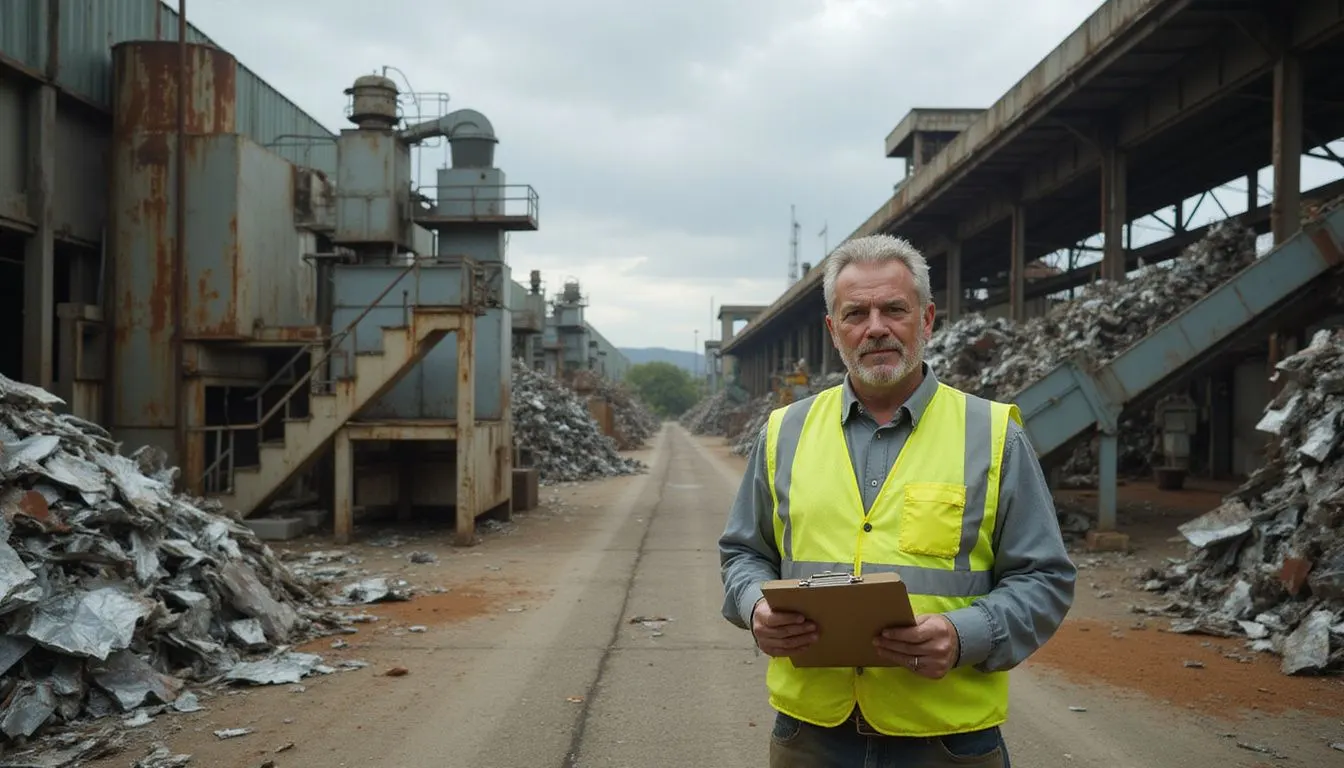
One detail worth knowing before you sell complex nickel alloys: we use a handheld X-Ray Fluorescence (XRF) analyser to check the exact chemical makeup of your material instantly. This ensures you get paid the correct premium for high-nickel 316-grade stainless steel rather than the lower rate for standard 304-grade. We will always tell you the precise grade of your alloy before we weigh it.
Getting fair value for these materials comes down to accurate grading and honest weighing, and that is the next important step to understand.
How to sell zinc and nickel scrap effectively
Getting a fair price for your zinc and nickel materials is straightforward. Check today's market prices online, then ask us for our current scrap metal prices before you commit; we are happy to talk you through it.
How do I find reliable scrap suppliers?
A trustworthy scrap yard has to meet strict standards to protect your interests, and here is how we do exactly that when you sell your zinc and nickel to us.
- We are an established scrap metal yard operating and the wider, so we offer faster collection and better pricing for your materials.
- You are welcome to verify our credentials, certifications, and experience handling zinc and nickel scrap specifically. Under policy directives from the Department of Trade, Industry and Competition (DTIC), registered dealers like us cannot legally purchase municipal infrastructure, copper cables, or railway components without verifiable ownership permits. Any yard willing to buy these items without paperwork is not a legal or trustworthy partner.
- Contact us and request a quote for your materials; we give you a clear, fair market rate up front so you know exactly where you stand.
- Ask us about our payment methods, collection services, and how quickly we process transactions for homeowners and businesses.
- We comply with the POPI Act and handle your customer data responsibly throughout all business dealings.
- Ask for references from other factories, contractors, and recycling businesses who have sold scrap to us previously.
- Visit our facility in person to assess our equipment, storage conditions, and overall professionalism before committing.
- We provide transparent weighing on a verified weighbridge and clear documentation for every transaction involving your zinc and nickel materials.
- Local recycling networks and business groups can vouch for reputable yards like ours in your region.
- We handle different scrap types, including TMT remnants and industrial offcuts, so we can match your specific material categories.
Weighing accuracy deserves extra attention because small discrepancies add up quickly. That is why we weigh every load on our own verified weighbridge, and you are welcome to estimate your load with our calculator and keep your own records before delivery.
How can I understand market prices and trends?
Markets fluctuate daily, which means scrap metal prices shift constantly. You need to track live updates to understand current rates and beyond. Metal grade, weight, cleanliness, and demand all shape what your zinc and nickel scrap fetches at our yard.
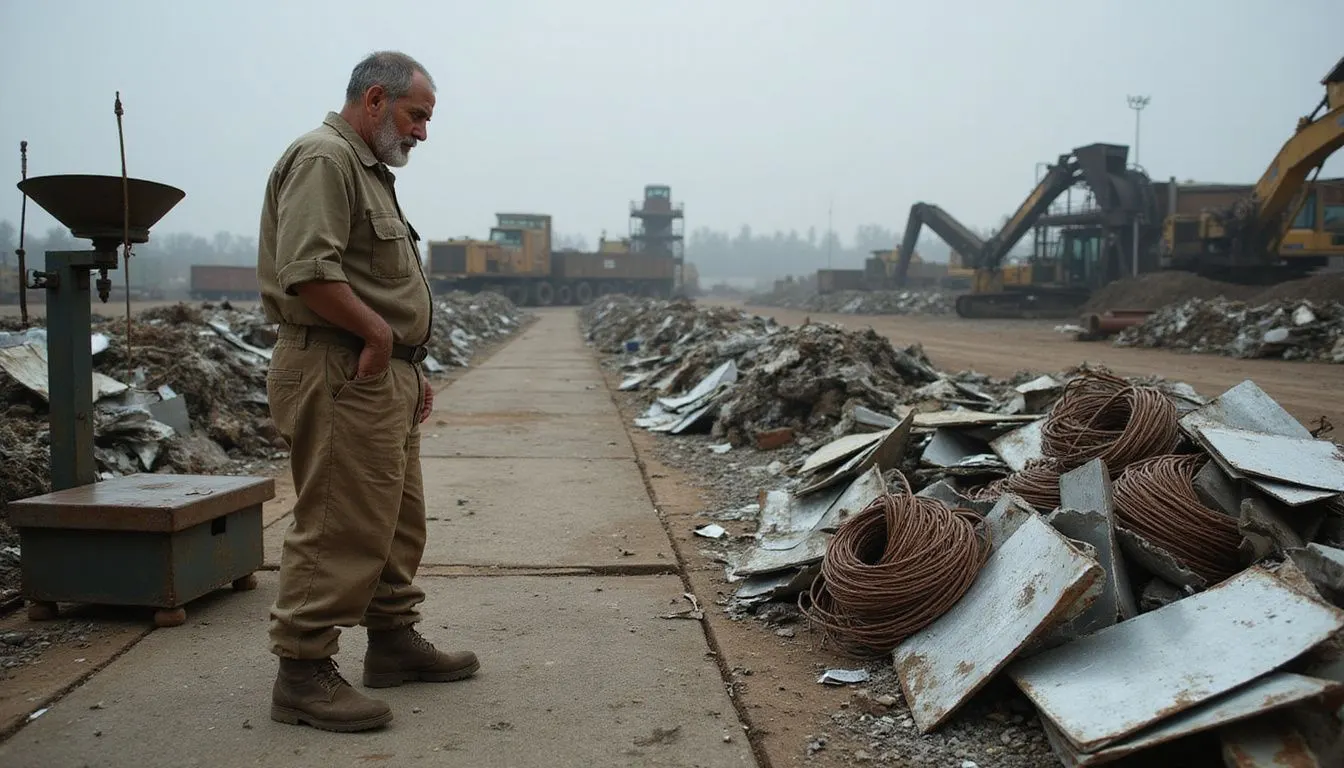
Request today's rate from us to see real pricing. Global reference prices reveal market patterns that also influence markets.
Your scrap's condition matters greatly. Rust or contamination reduces value, so watch the trends before you decide when to sell.
- Collect scrap when prices peak rather than selling immediately during low-demand periods.
- Learn local terminology like "scrap yard" and "cash for scrap" to navigate conversations with us confidently.
- Contractors and factories often sell during high-price periods for better returns.
- Automobiles and rim materials command different rates depending on market demand, so check these separately.
Your knowledge of demand shapes your strategy. Some buyers need specific alloys, while we accept mixed loads too. Understanding these factors positions you to maximise returns on your zinc and nickel materials.
Tips for maximising scrap value
You get more money when you sort your zinc and nickel scrap properly and clean it well. We pay top prices for scrap that arrives at our yard in good condition.
How should I sort and clean scrap for best value?
Sorting and cleaning your zinc and nickel scrap properly increases its value significantly. You gain better pricing when you prepare materials correctly before collection.
- Separate ferrous metals from non-ferrous metals first, as we pay different rates for each type and this division affects your total return.
- Remove all paint, plastic coatings, and insulation from your scrap materials to improve cleanliness and meet industry-specific guidelines for sorting.
- Sort scrap by metal grade and type, grouping zinc remnants together and nickel alloys separately to maximise sale potential when you sell to us.
- Clean your materials thoroughly to eliminate impurities and non-metal substances that reduce value and can prevent us from accepting your load.
- Weigh and document the exact amount of scrap you have collected; accurate measurements help you discuss pricing fairly with us.
- Keep your sorted materials in designated areas, making collection easier and allowing us to assess quality quickly without delays.
- Follow industry guidelines when handling HRC and aluminium scrap alongside your zinc and nickel materials to maximise overall returns.
Preparing your scrap properly makes a real difference to what you earn. Fully sorted, clean loads consistently fetch better rates than mixed or contaminated ones, so the effort translates directly into cash.
How do I choose the right recycling centre?
The yard you choose makes a real difference to your scrap value and convenience, so here is what you can check about us: our expertise, equipment, and commitment to fair pricing.
- We accept zinc and nickel scrap specifically and handle these metals with proper care and processing equipment.
- Visit our yard in person to assess our sorting capabilities and storage conditions before you sell your aluminium scrap and other materials.
- Ask us about our compliance with environmental standards, so you know we operate responsibly and legally.
- Ask us for our price on your scrap; we keep our rates competitive.
- Confirm our payment method and timing up front; we pay you promptly rather than making you wait weeks or months.
- Ask us about better rates for regular loads if you plan to bring scrap materials from your business or factory.
- Check our operating hours and accessibility to confirm we suit your schedule and transport arrangements.
- Ask for references from other local businesses, contractors, or homeowners who regularly sell scrap to us.
- Judge our customer service by how our staff treat your enquiries and whether they answer technical questions about metal grades.
- We provide proper documentation and receipts for every transaction, protecting your records for accounting purposes.
Taking a moment to check these things before committing gives you far better results. We aim to be more than a place to drop off materials; we are a long-term partner in your scrap metal recycling efforts.
Conclusion
Selling your zinc and nickel scrap offers real value to your wallet and the environment. At our yard we make the process straightforward, buying non-ferrous metals from homeowners, businesses, and factories across the area.
Contact us today to request current rates, as prices shift daily based on global markets. Clean, sorted scrap always commands better prices than mixed or dirty loads.
Start turning your unused metals into cash and support environmental sustainability at the same time.
Frequently asked questions
1. How do I sell zinc and nickel scrap?
Contact us directly and we will assess your materials and offer you a fair price based on current market rates. Bring your load to our yard, or ask us about collection for larger quantities.
2. How can I find a buyer for my zinc and nickel scrap?
You have already found your buyer: we buy zinc and nickel scrap directly. Just contact us for today's price and to arrange collection.
3. What affects the price of zinc and nickel scrap?
Market demand, metal purity, and quantity all affect the final price you receive. Higher grade materials typically command better rates. Both metals are traded on global exchanges, which influences local scrap valuations.
Know what your scrap is worth.
Request a fast quote, check indicative rates, and we'll weigh your load and pay you same-day EFT — we collect.
Get a QuoteBuy or sell zinc & nickel scrap
Looking for zinc & nickel scrap for sale? Send the grade, quantity and specification you need to confirm stock and get a sales quote. We also buy suitable scrap: share photos, material details and approximate weight for a buying quote. Guide buying rates shown on this page are not retail sales prices.
Metals we buy · Scrap buying guide prices · Buy or sell — request a quote