Prices
Lead & Battery Scrap Prices and Buying Guide Rates
Buying guide rates: rates and estimates on this page refer to scrap we buy. To purchase metal, request a separate sales quote and stock confirmation.
We buy scrap batteries and lead and pay same-day EFT. See our current per-kg prices for car, forklift and solar batteries plus clean lead.
Quick answer
We pay R8–R12 per kg for standard lead-acid car batteries and R18– per kg for clean scrap lead at our yard, with forklift and industrial batteries fetching R10–R15 per kg. We buy sealed batteries and lead, weigh every kilogram on our calibrated scales, and pay you the same day via EFT.
On this page
Calculate what your load is worth
Pick the grade, enter the weight, and get an indicative rand range from our current rates — then email or WhatsApp the estimate to us for a verified, weighbridge-confirmed quote.
Estimate your value
What's your lead worth?
Pick the grade, enter the weight, and add a row for each lead grade in your load — we'll total it into an indicative rand range for your area.
Indicative range using current mid-market rates × condition and area. Bulk is quoted per ton — about R9 000– 000/ton.Not a binding offer — the final price is confirmed by weight at a registered weighbridge.
What affects your price
- Clean, sorted lead sits at the top of the range — paint, coatings, attachments and moisture grade it down.
- Clean soft lead pays the most; mixed / dirty lead the least — separating grades before you sell lifts the total.
- Bulk is quoted per ton — about R9 000–R24 000/ton (per kg × 1,000).
- Rates track the London Metal Exchange and the rand exchange rate, so they move daily; the final figure is set by weight at a registered weighbridge.
Example: 100 kg of clean soft lead works out to roughly R1 800–R2 400, before grading and weighbridge confirmation.
Tracking the latest scrap battery and lead prices ensures you get the best return for your redundant power units. Whether you are clearing out a transport depot or disposing of old car batteries from your garage, this guide breaks down exactly what we pay for lead-acid batteries and lead scrap.
- Average payouts: Scrap lead-acid batteries typically sell for R8 to R15 per kilogram, while clean scrap lead fetches up to per kilogram.
- Items accepted: We recycle car batteries, deep-cycle solar batteries, heavy-duty forklift batteries, and pure lead pipes or roofing scrap.
- Legal requirements: The Second-Hand Goods Act requires all sellers to present a valid ID and proof of address.
- Service areas: Our commercial scrap collection covers and the surrounding industrial zones.
- Payment methods: We pay out securely via EFT directly into your bank account, complying with national metal trading laws.
Average Scrap Battery & Lead Prices per Kilogram (2026)
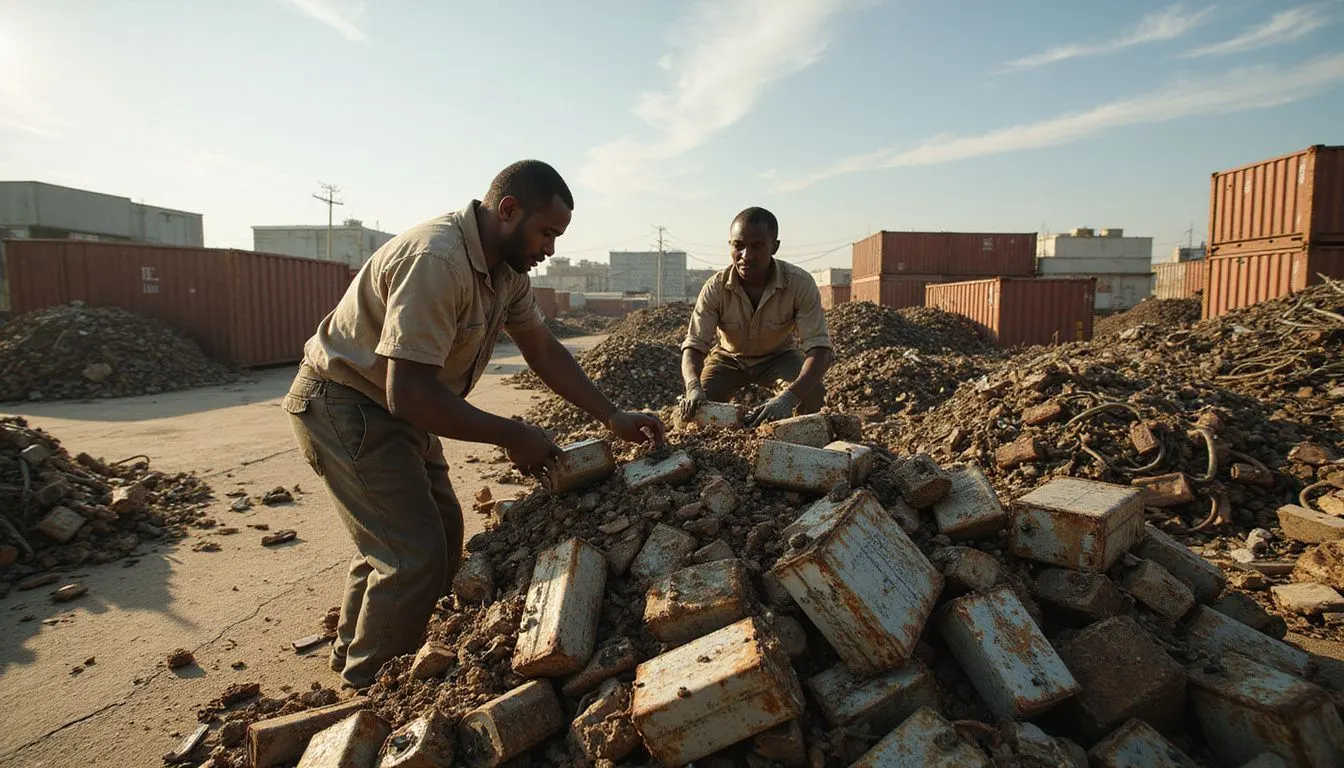
Battery scrap prices are calculated strictly by weight and the internal lead content. Because standard car batteries contain heavy lead plates alongside plastic casings and battery acid, they are priced differently than solid, clean lead scrap.
Below is a clear breakdown of what you can expect to earn from various lead and battery categories, based on our current scrap metal prices at our yard.
Average Scrap Battery & Lead Prices
| Material Type | Typical Price (per kg) | Example Payout (Average Unit / 50kg) |
|---|---|---|
| Clean Scrap Lead (Pipes/Sheet) | R18 – R24 | R900 – R1200 |
| Dirty / Mixed Scrap Lead | R9 – R15 | R450 – R750 |
| Industrial / Forklift Batteries | R10 – R15 | R500 – R750 |
| Standard Car Batteries (Lead-Acid) | R8 – R12 | R400 – R600 |
| UPS / Alarm Batteries (SLA) | R10 – R12 | R500 – R600 |
| Lead Wheel Weights | R12 – R18 | R600 – R900 |
Heavier commercial batteries, such as those used in trucking fleets or industrial forklifts, provide the highest bulk payouts due to their massive solid lead grids. Transporting these safely requires specialized handling.
Factors Influencing Scrap Battery and Lead Prices
Scrap battery pricing is not arbitrary. It is closely tied to global commodity markets and local industrial demands. Understanding these triggers helps you time your sales for maximum profit.
Global Market Trends on the LME
Global commodity markets, specifically the London Metal Exchange (LME), drive lead recycling prices worldwide. When international demand for new car battery production spikes in major economies, the scrap price for non-ferrous metals like lead rises directly alongside it.
Supply chain disruptions and mining constraints also create price volatility. As automotive manufacturers shift toward higher recycled content quotas to meet environmental standards, the baseline value of quality battery scrap remains consistently strong.
Local Demand Smelters
market conditions create unique regional pricing patterns. and the host a high concentration of heavy industry, transport logistics companies, and local lead smelters. This concentrated demand keeps regional prices highly competitive.
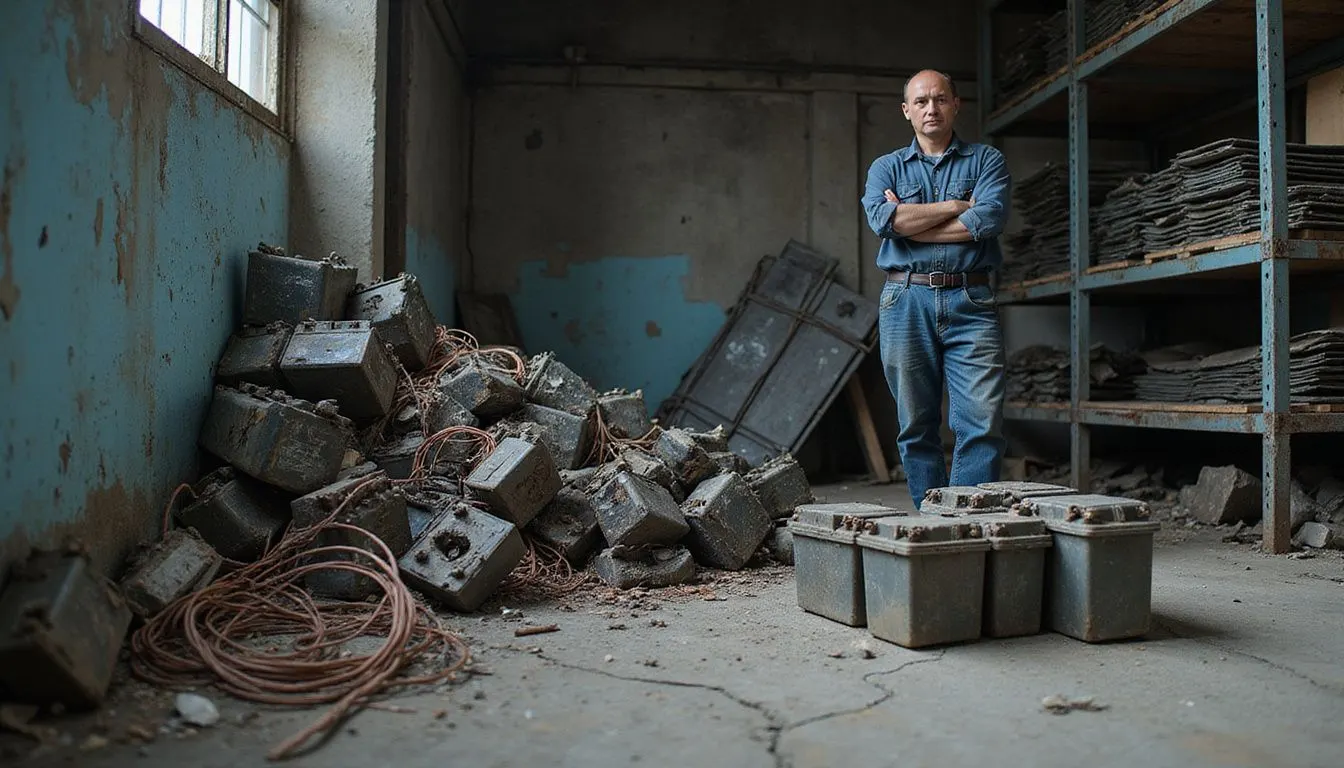
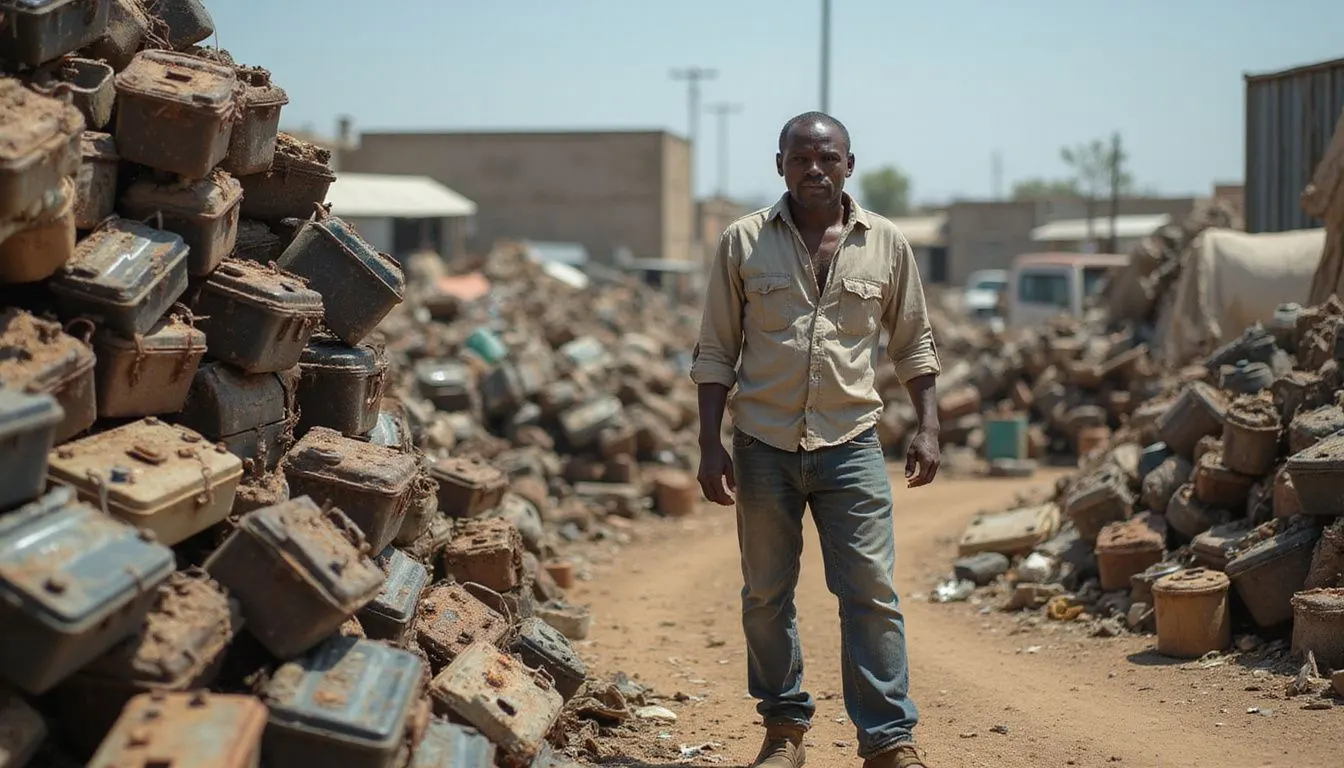
Transport companies and logistics hubs generate massive volumes of redundant truck batteries. When you sell your batteries and lead to our local yard rather than a distant buyer, you eliminate heavy transport deductions, securing a price closer to the true LME value.
Common Types of Lead and Batteries Recycled
Not all batteries are created equal. Knowing exactly what materials you are stockpiling ensures we quote you accurately.
- Lead-Acid Car Batteries: Standard automotive batteries containing lead plates and sulphuric acid.
- Deep Cycle / Solar Batteries: Heavy-duty gel and AGM batteries used for solar storage and inverters.
- Industrial Traction Batteries: Massive power units from forklifts, cherry pickers, and warehouse machinery.
- Soft Lead Scrap: Clean lead roofing sheets, old plumbing pipes, and medical radiation shielding.
- Hard Lead Scrap: Lead alloyed with antimony, commonly found in wheel weights and bullet casings.
Legal and Safety Guidelines for Battery Disposal
Lead-acid batteries are classified as hazardous waste. Processing them requires strict adherence to environmental protocols to prevent toxic materials from leaching into the soil.
Proper Handling and Storage
Never drain battery acid yourself before selling. We buy batteries fully sealed, as the acid must be neutralized professionally in a controlled facility. Draining acid illegally damages the environment and exposes you to severe chemical burns.
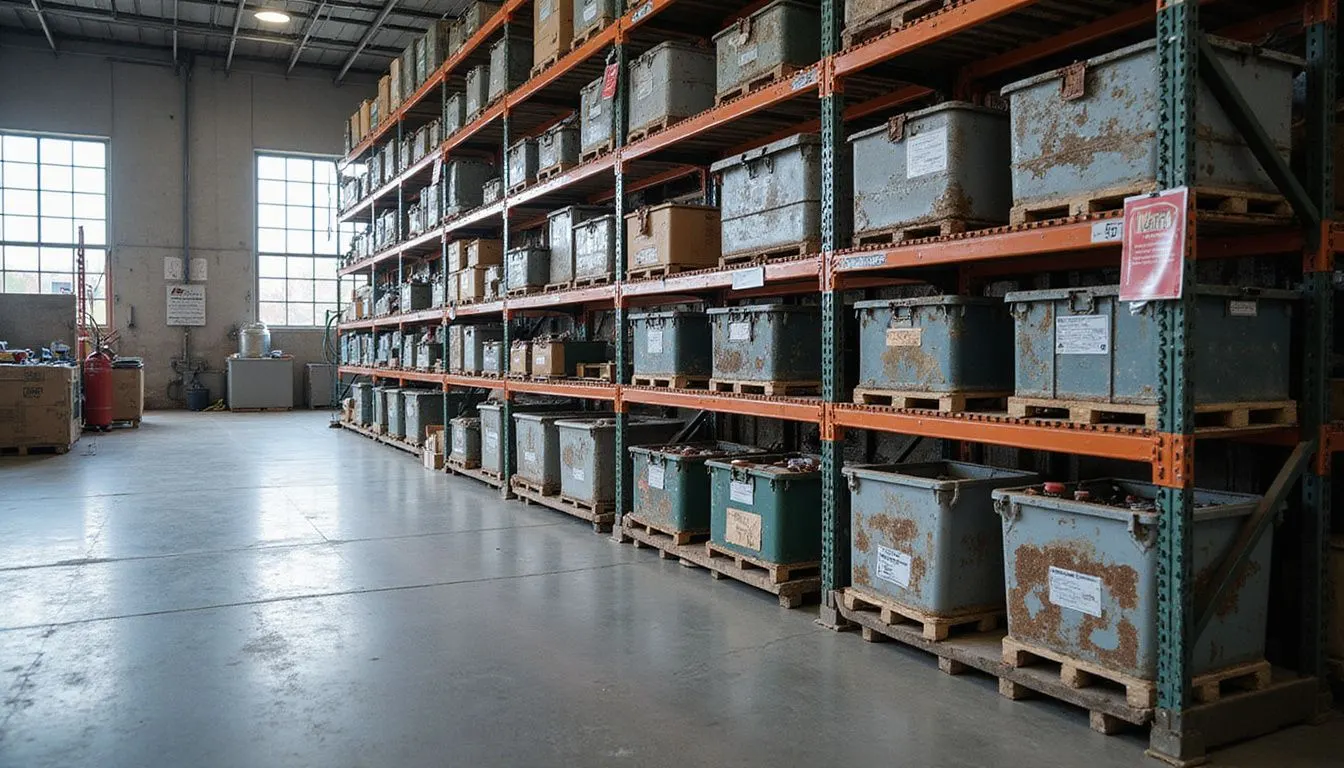
When storing bulk batteries at your factory, keep them upright on wooden pallets. Ensure the area is well-ventilated and away from direct heat to prevent the buildup of explosive hydrogen gas.
Environmental Compliance
The National Environmental Management: Waste Act (NEM:WA) strictly regulates the disposal of hazardous solid waste. Dumping old batteries in municipal landfills is illegal and carries heavy fines for businesses.
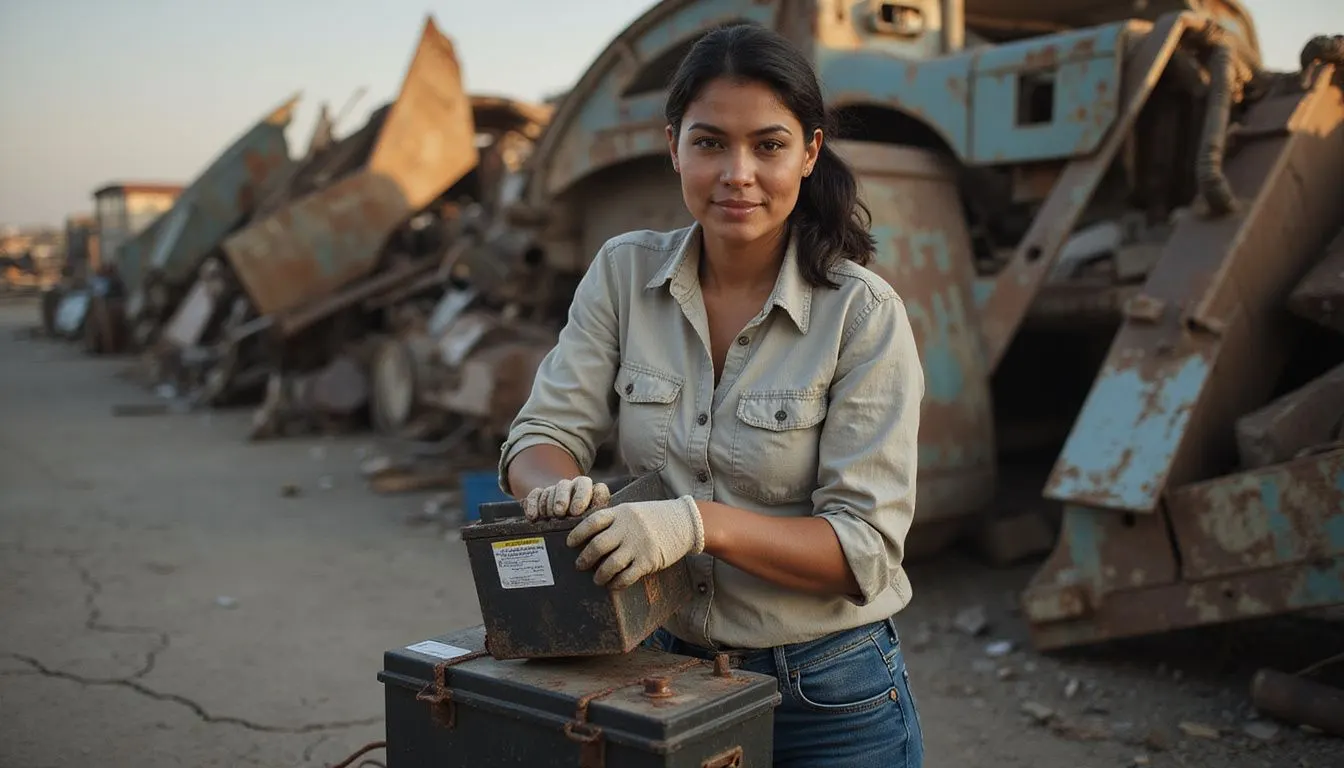
By selling to our certified recycling yard, you ensure your business remains legally compliant while supporting the circular economy. We provide proper waste transfer documentation, protecting your company from future liability.
How to Sell Scrap Batteries
We buy from commercial contractors, transport fleets, and private sellers, offering efficient scrap metal collection. Before you arrive, you can estimate your load with our calculator to gauge what your batteries and lead are worth. Our digital scales are regularly calibrated to ensure you get paid for every exact kilogram.
Visiting Local Scrap Yards
If you have a small load of car batteries or lead offcuts, bringing them directly to our facility guarantees immediate processing. Our yard is designed for quick offloading, allowing you to drop off your non-ferrous metals and receive your EFT payment on the same day.
Requesting a Bulk Battery Collection Service
Transporting dozens of heavy forklift or truck batteries requires hazardous material protocols and specialized lifting equipment. We offer reliable scrap metal pickup services for commercial clients, and surrounding industrial zones.
Our fleet handles the logistics, providing bins and heavy lifting machinery for safe warehouse cleanups. By scheduling regular collections, logistics companies and solar installers can easily monetize their ongoing battery waste.
Frequently asked questions
Do you pay for the battery weight including the plastic and acid?
Yes, we pay a flat per-kilogram rate for the entire sealed unit. The price we offer already accounts for the weight of the plastic casing and the internal fluids, so there is no need to dismantle the battery yourself.
How does the price of clean lead differ from battery scrap?
Clean lead (like roofing sheets or pipes) fetches a significantly higher price—often double that of a battery. This is because clean lead requires minimal processing and melting, whereas a battery must be carefully broken down to separate the plastic, acid, and lead grids.
Can I sell lithium-ion or solar inverter batteries?
Yes, modern deep-cycle AGM and gel batteries used for solar installations are highly sought after. Lithium-ion batteries from electric vehicles or electronics are also recyclable, though our lithium and solar battery prices follow a different structure from traditional lead-acid units.
What paperwork do businesses need to sell scrap batteries?
Commercial sellers must provide their company registration documents, a valid ID of the representative, and a proof of address. This ensures full compliance with the Second-Hand Goods Act and prevents the trade of stolen industrial batteries.
Know what your scrap is worth.
Request a fast quote, check indicative rates, and we'll weigh your load and pay you same-day EFT — we collect.
Get a QuoteBuy or sell lead & scrap batteries
Looking for lead & scrap batteries for sale? Send the grade, quantity and specification you need to confirm stock and get a sales quote. We also buy suitable scrap: share photos, material details and approximate weight for a buying quote. Guide buying rates shown on this page are not retail sales prices.
Metals we buy · Scrap buying guide prices · Buy or sell — request a quote