
Prices
Lithium Battery Scrap Prices and Buying Guide Rates
Buying guide rates: rates and estimates on this page refer to scrap we buy. To purchase metal, request a separate sales quote and stock confirmation.
What are your scrap lithium, solar, gel and lead-acid batteries worth? See what a weighbridge pays per kg and how we price lithium on inspection.
Quick answer
We buy scrap and end-of-life lithium-ion, lead-acid, gel and UPS batteries at a weighbridge. Lead-based batteries pay around R8 to R15 per kilogram on verified weight; lithium-ion is priced on its recoverable cobalt, nickel and lithium, so we quote it on inspection. Send a photo for an indicative rate, paid by same-day EFT.
On this page
Calculate what your load is worth
Pick the grade, enter the weight, and get an indicative rand range from our current rates — then email or WhatsApp the estimate to us for a verified, weighbridge-confirmed quote.
Estimate your value
What's your scrap load worth?
Add a row for each metal and grade in your load, enter the weight in kilograms or tonnes, set the condition and your area — the tool totals the whole load into an indicative rand range.
Indicative range using current mid-market rates × condition and area.Not a binding offer — the final price is confirmed by weight at a registered weighbridge.
What affects your price
- Add a row for each metal and grade — the tool totals the whole load into one rand range.
- Clean, sorted metal pays the most; mixed or contaminated loads are graded down.
- Copper and brass pay the most per kg; steel and iron are lower but make it up in volume (quoted per ton).
- Rates track the London Metal Exchange and the rand daily; the final figure is set by weight at a registered weighbridge.
Example: 100 kg of clean bright copper wire at about R150–R177/kg is roughly R15 000–R17 700, before condition and area adjustments.
When a solar bank, UPS string or lithium pack reaches the end of its life, the question changes from "what does a new one cost" to "what is my old one worth as scrap". We are a licensed scrap-metal buyer, not a battery retailer, so this guide is written from the seller's side of the weighbridge: what determines the scrap value of an end-of-life battery, and what we pay you for it.
Scrap battery value is set by the metals a recycler can recover, not by what the unit cost when it was new. A dead battery is really a bundle of lead, plastic, and — in modern packs — small amounts of cobalt, nickel and lithium. Knowing which of those metals your battery holds is the key to its price.
Quick facts
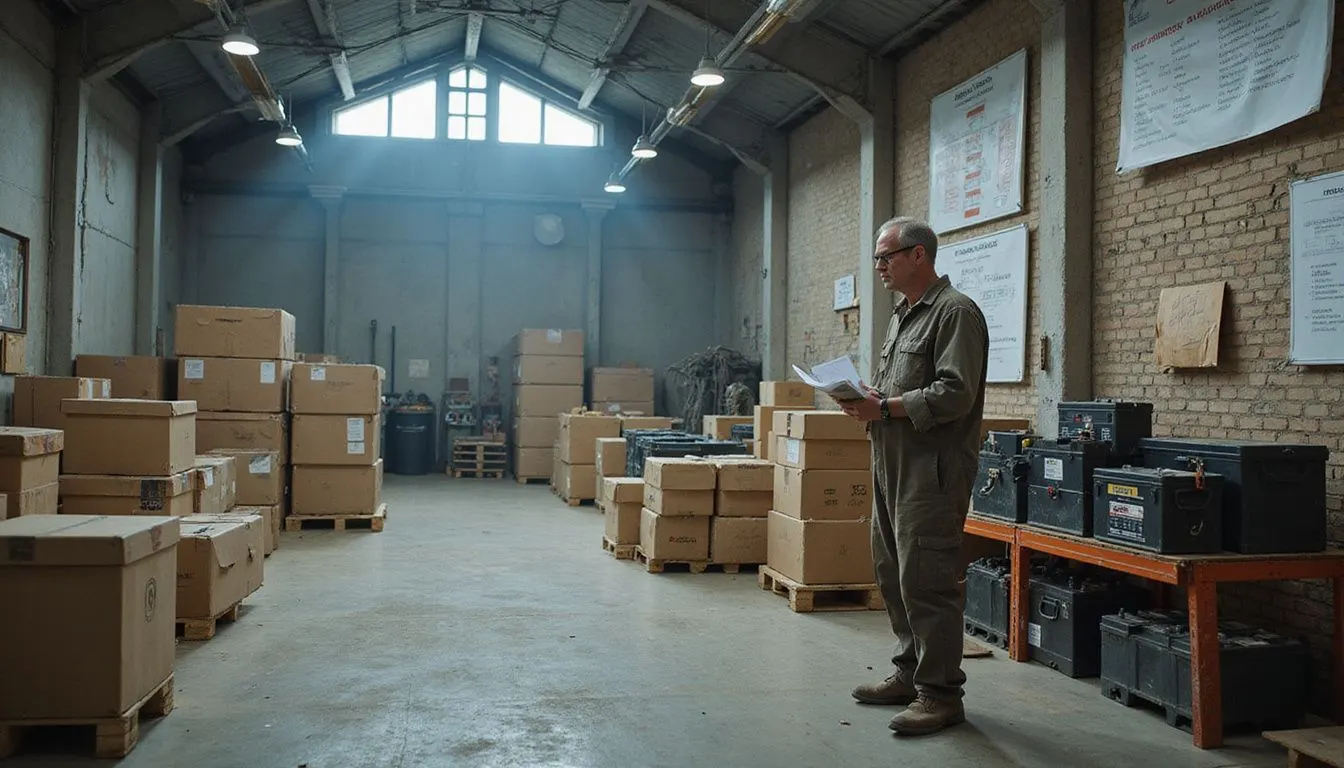
- Scrap batteries generally pay around R8 to R15 per kilogram at our weighbridge, depending on type and recoverable metal content.
- Lead-acid batteries (car, solar, UPS) carry the most predictable scrap value because recovered lead has a steady, well-established market.
- Lithium-ion packs have low bulk scrap value by weight and are priced on their recoverable cobalt, nickel and lithium, so we quote lithium on inspection rather than a flat per-kilogram rate.
- Final prices are set by verified weight on a verified weighbridge, and every payout is by same-day EFT — never cash, in line with the Second-Hand Goods Act.
- We buy across and the wider from.
What determines the scrap value of a battery
Four things drive what an end-of-life battery is worth: its chemistry, its weight, its condition, and the current market for the metals inside it.
Chemistry: recoverable lead versus recoverable lithium
Chemistry is the single biggest factor. Lead-acid batteries — the familiar car, solar deep-cycle, gel and UPS units — are roughly two-thirds lead by weight, and lead is straightforward and economical to recover and recast. That gives lead-acid a reliable floor price per kilogram.
Lithium-ion packs are a different story. They contain very little lead; the metals that give them value — cobalt, nickel and lithium salts — sit in small quantities inside cells that must be dismantled and processed carefully. A lithium pack can feel light and valuable in the hand, but its scrap worth depends on what a recycler can pull from the cells, not on its size or original price. That is why we assess lithium individually rather than by the kilogram.
Weight and condition
For lead-based batteries, weight sets the payout. Heavier units hold more recoverable lead, so a large industrial or forklift block is worth more per unit than a small car battery, and our weighbridge settles this on verified mass rather than an eyeball estimate.
Condition matters less for lead-acid than people expect: a flat, dead or non-starting unit still holds its lead, so we pay for it like any other. For lithium, condition matters more — swollen, leaking or fire-damaged cells need extra handling, which affects how we accept and assess them.
The market for recovered metals
Scrap battery prices move with the metals market. Recovered lead tracks the global spot price, so the per-kilogram rate for lead-acid shifts gradually with it — the same forces that move all of our current scrap metal prices. Cobalt and nickel are more volatile, another reason lithium is quoted per load after inspection. For the day's rate, send us the details and we will confirm.
What we pay per kilogram
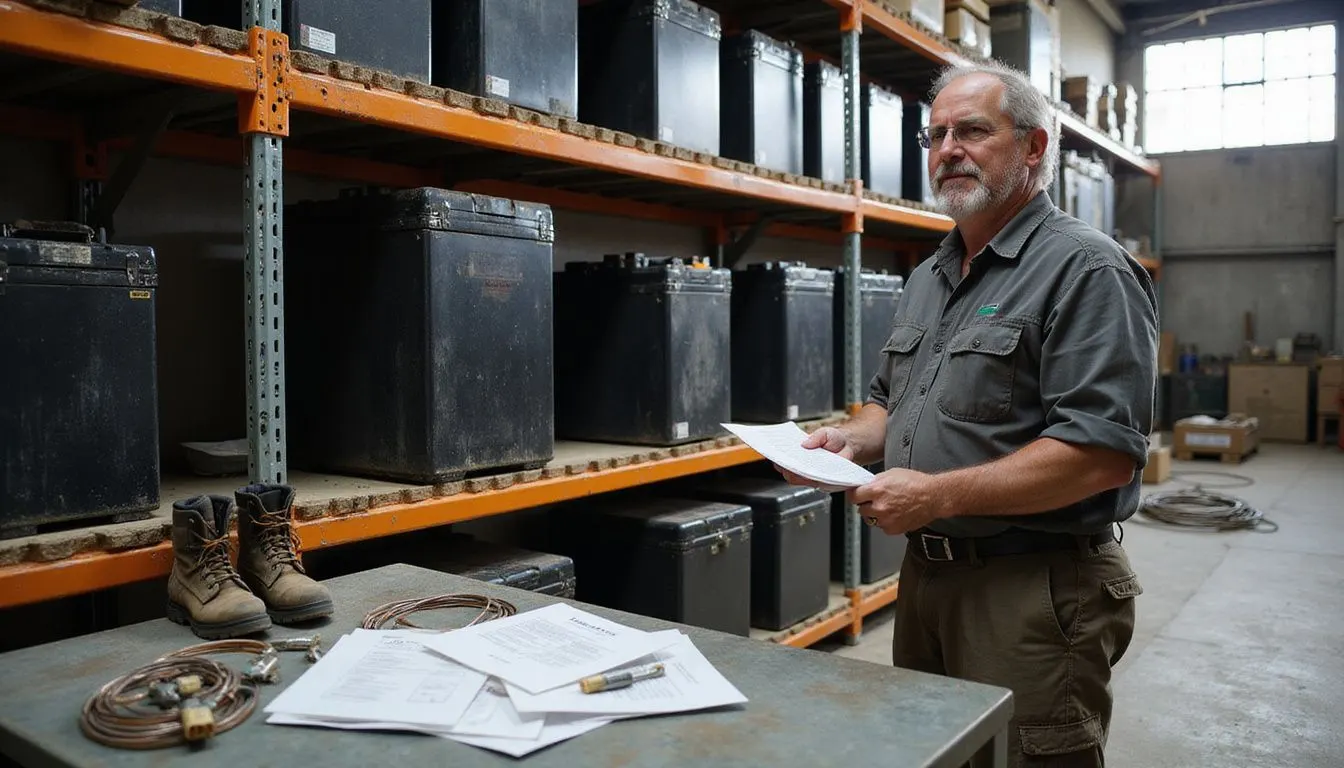
These are typical weighbridge rates for lead-based scrap batteries — guide figures that depend on verified weight and the current metals market on the day.
| Battery type | Typical scrap rate (per kg) |
|---|---|
| Lead-acid (car / solar) | R8 – R12 |
| Deep-cycle gel | R10 – R12 |
| UPS system batteries | R10 – R12 |
| Industrial / forklift | R10 – R15 |
Across the board, scrap batteries land in the R8 to R15 per kilogram range. Big lead blocks such as forklift traction batteries sit at the top of that band because of the sheer mass of recoverable lead, while a single car battery sits lower because it weighs less. To gauge a specific lot, weigh it and multiply, or estimate a payout with our calculator first. You can sell your lead-acid and UPS batteries to us as a licensed local yard, and our battery and lead price guide tracks how these rates move with the lead market.
Why lithium-ion is priced on inspection
Lithium-ion and LiFePO4 packs are the one type we do not put a flat per-kilogram figure on. Their value comes from recovered cobalt, nickel and lithium, so two packs of identical weight can be worth very different amounts depending on cell chemistry and condition.
So we quote lithium on inspection. Send a photo and the details — approximate size, chemistry if you know it, and whether the pack is intact or damaged — for an indicative figure, which we confirm once we have assessed the unit in person. We handle lithium as a recoverable-metal product, not bulk weight, and you can sell lithium-ion and gel batteries to us through the same process.
Safe handling of swollen or damaged lithium
Damaged lithium cells need care, so a few simple steps keep everyone safe. Before you move a swollen, leaking or heat-damaged pack, take clear photos and send them to us first — we will tell you how to bring it in safely, and in some cases advise on collection rather than transport.
Keep the terminals covered so they cannot short, do not puncture or crush a swollen cell, and keep damaged packs away from heat and out of the sun in transit. A pack that is bulging or has been in a fire is not scrap to throw in with general metal — treat it as hazardous until we have looked at it.
How we weigh, verify and pay
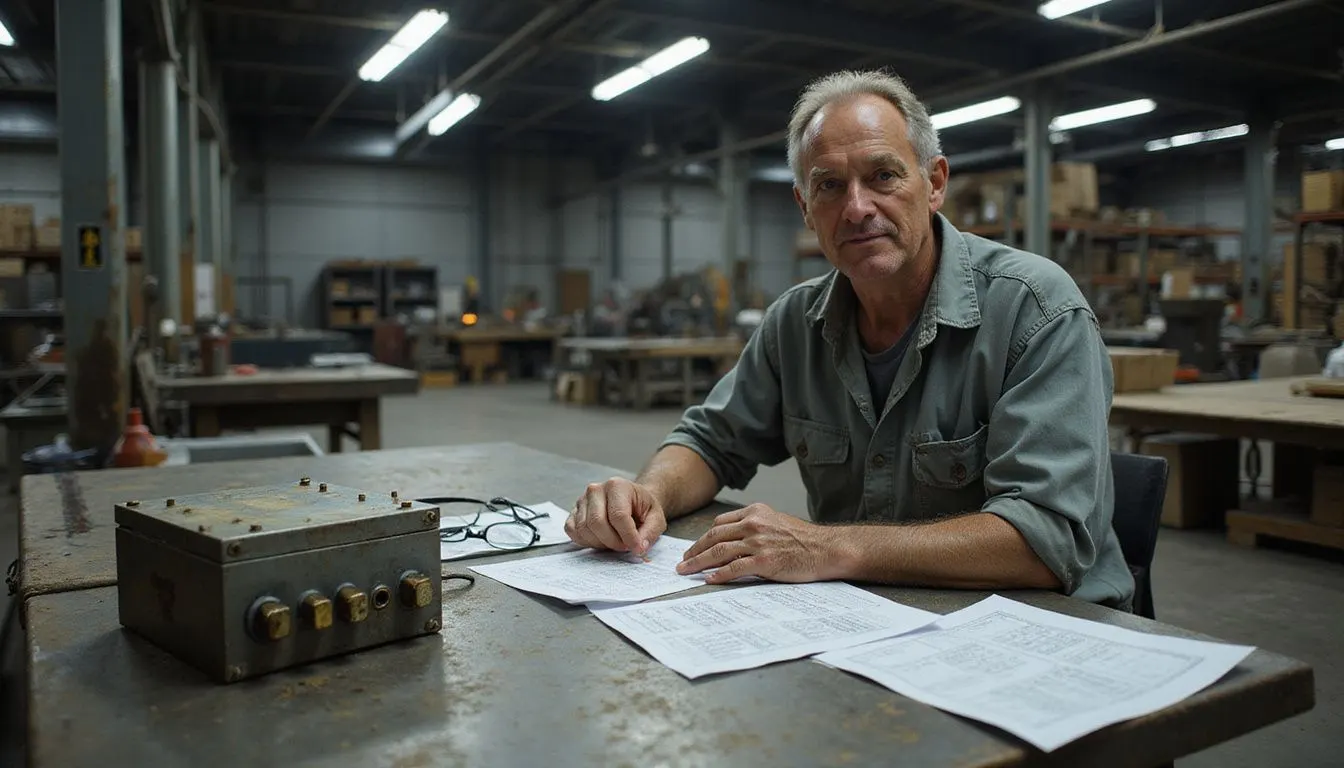
The process is simple and fully above board. Bring your batteries to, we weigh them on a verified weighbridge in front of you, and we agree the figure before any money moves.
Because we are a licensed dealer under the Second-Hand Goods Act, we record every purchase and verify your identity, so bring a ID or passport and proof of address. Once the load is accepted and weighed, you are paid by same-day EFT — we never pay cash. There is no phone line; reach us by WhatsApp, the website form or email at reclaimetaltraders@mail.com, and send photos ahead of time so we can quote before you travel.
What happens to the metal
Nothing useful is wasted. Lead plates from car, solar, gel and UPS batteries are melted down and recast into new lead. The polypropylene casings are washed, chipped and recycled, and the acid is safely neutralised so it never reaches local soil or water.
Lithium packs go down a more complex route: the cells are processed to recover cobalt, nickel and lithium salts, which re-enter the supply chain for new energy-storage components. If you are clearing an old solar installation, the panels and inverters have recoverable value too — you can sell scrap solar panels and inverters alongside the batteries in the same visit.
Frequently asked questions
What is a scrap lithium battery worth?
Lithium-ion packs have low bulk scrap value by weight — their worth comes from recoverable cobalt, nickel and lithium, not from lead. Because those metals are present in small amounts and priced by volatile markets, we quote lithium on inspection rather than a flat per-kilogram rate. Send a photo and details for an indicative figure.
Do you buy dead or swollen lithium batteries?
Yes. A flat or dead battery still holds recoverable metal, so we pay for it on the same basis as any other. Swollen, leaking or fire-damaged lithium needs care first: photograph it, keep the terminals covered, do not puncture it, and send us the photos so we can advise on safe transport or collection before you move it.
Do you sell new batteries or inverters?
No. We are a scrap-metal buyer, not a retailer or installer. We do not sell new batteries, inverters or solar equipment. What we do is pay you for end-of-life batteries and other scrap metal, weighed on a verified weighbridge and settled by same-day EFT.
How do you work out what to pay?
For lead-based batteries, we weigh the load on our weighbridge and apply the current per-kilogram rate for that type — typically R8 to R15 depending on chemistry and the lead market. For lithium, we assess the pack on inspection and price it on its recoverable cobalt, nickel and lithium. You see and agree the figure before we pay.
Know what your scrap is worth.
Request a fast quote, check indicative rates, and we'll weigh your load and pay you same-day EFT — we collect.
Get a QuoteBuy or sell scrap lithium batteries
Looking for scrap lithium batteries for sale? Send the grade, quantity and specification you need to confirm stock and get a sales quote. We also buy suitable scrap: share photos, material details and approximate weight for a buying quote. Guide buying rates shown on this page are not retail sales prices.
Metals we buy · Scrap buying guide prices · Buy or sell — request a quote