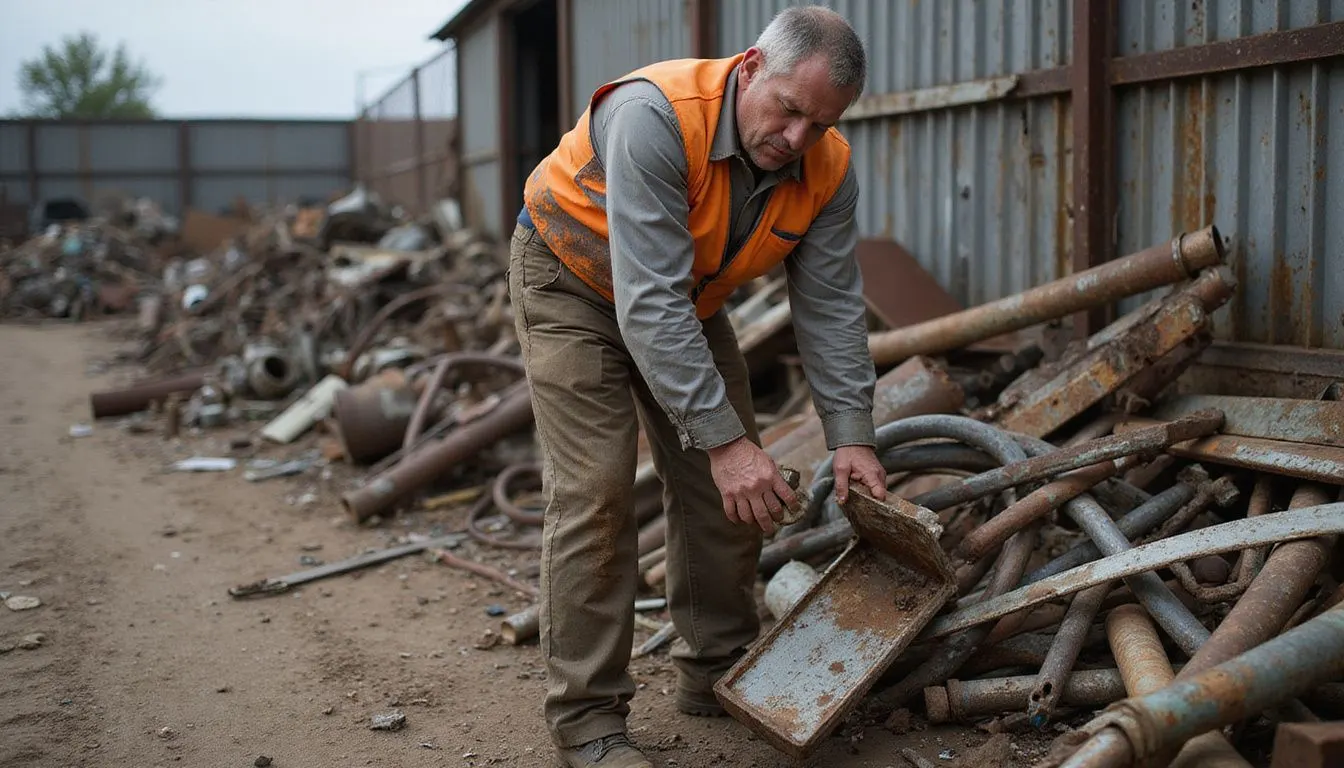
The difference comes down to iron: ferrous metals contain iron, so they are magnetic and rust easily, while non-ferrous metals like copper, aluminium, and brass contain no iron, resist corrosion, and weigh less. We buy both at our yard, weighing and grading every load, but non-ferrous scrap earns premium prices for its scarcity and superior electrical conductivity.
On this page
Here is something most scrap sellers quickly learn: not all metal is worth the same, and the difference often comes down to one basic question.
Does it contain iron?
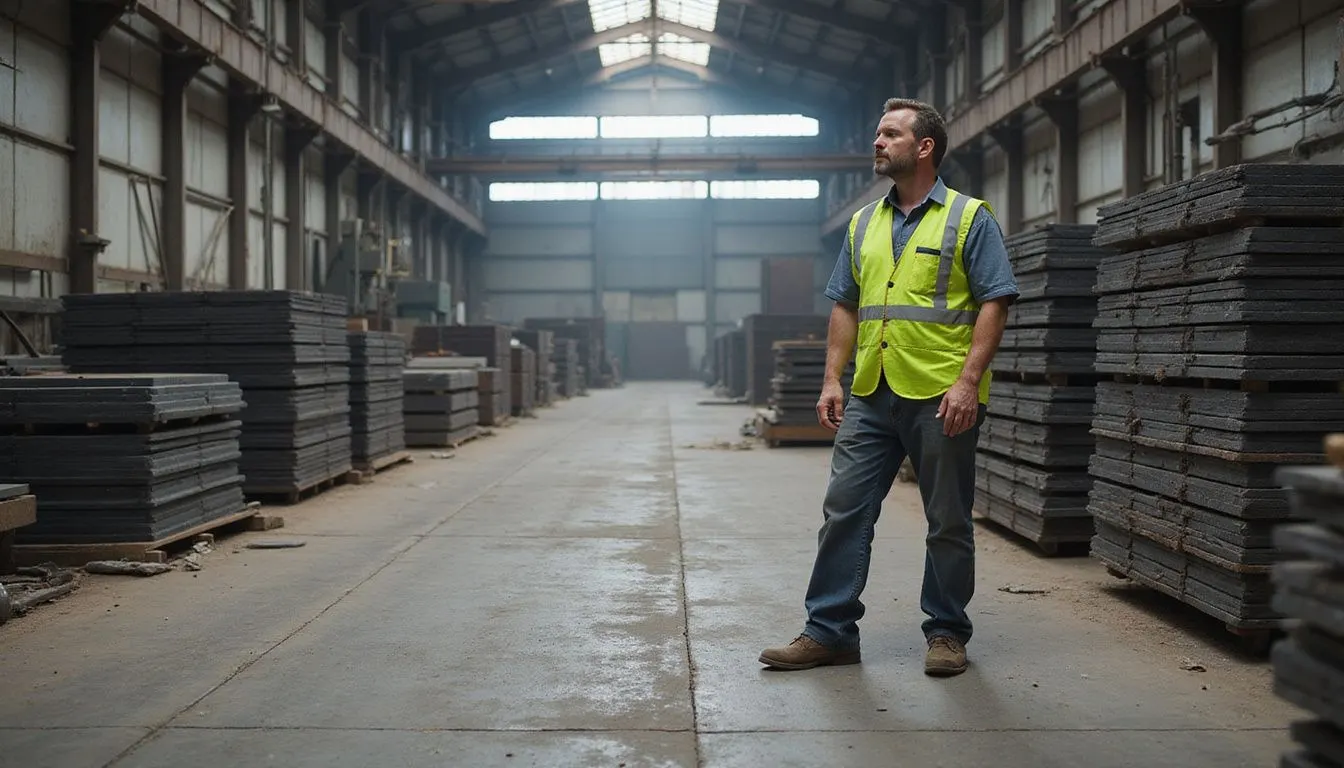
A seasoned factory worker stands by stacks of weathered steel sheets.
That single question separates ferrous metals from non-ferrous metals, and knowing the answer changes what you earn, how you sort your scrap, and which materials you choose for your next project. Ferrous metals contain iron. Non-ferrous metals do not. This basic fact shapes their value, their uses, and their recycling potential.
This guide from our scrap metal blog covers the key properties and common examples of both metal types. You will learn how to identify what you have, understand its worth, and make smarter choices for your next project or scrap sale.
Quick Facts & Key Takeaways
Ferrous metals contain iron and attract magnets, whilst non-ferrous metals lack iron and resist rust naturally without protective coatings.
Steel, cast iron, and wrought iron represent common ferrous metals used in construction, whilst copper, aluminium, and brass serve non-ferrous applications.
Ferrous metals offer superior strength and affordability for structural work, but non-ferrous metals provide better electrical conductivity and corrosion resistance.
Non-ferrous metals weigh considerably less than ferrous alternatives, reducing transportation costs and simplifying installation for contractors and manufacturers.
We value both metal types at our yard, with non-ferrous metals commanding premium prices due to material scarcity and superior market demand.
Non-ferrous metals are worth much more per kilogram than ferrous scrap, so a magnet is our first sorting tool. It quickly separates the heavy ferrous material from the more valuable non-ferrous metals, which speeds up handling and helps you get a better payout on the non-ferrous portion of your load.
What Are Ferrous Metals?
Ferrous metals contain iron as their main element. Iron gives these metals their strength and magnetic properties, making them useful across many industries.
What are the main properties of ferrous metals?
Iron gives ferrous metals their strength, but it also makes them vulnerable to rust without proper care.
Iron forms the core of ferrous metals, making them exceptionally strong and durable for demanding applications. These metals possess magnetic properties that set them apart from non-ferrous alternatives, allowing industries to use magnet tests and magnetic separation techniques during processing.
Steel and cast iron rank among the most common ferrous metals, and both deliver impressive tensile strength for construction, automotive, and manufacturing sectors. Their ability to withstand heavy loads makes them ideal for structural work in factories and building projects.
Heat treatment processes enhance performance further, allowing engineers to adjust hardness and flexibility based on project requirements. Material properties like machinability and thermal conductivity also influence how contractors and factories select the right grade, ensuring optimal results in machining and sheet metal fabrication work.
Corrosion resistance remains a critical consideration for ferrous metals since iron oxidation causes rust over time. Carbon steel and stainless steel offer different protection levels, with stainless steel providing superior corrosion resistance through its chromium content. Wrought iron and cast irons display varying susceptibility to rust, requiring protective coatings or maintenance schedules for outdoor use.
How ferrous sorting works in practice
We value ferrous metals highly because their magnetic properties simplify scrap metal collection and sorting. At our yard we use a straightforward separation routine to handle mixed loads efficiently:
We pre-sort bulky items by eye.
Smaller items pass over a magnet mounted on a conveyor.
Attracted ferrous material collects into one bin.
We hand-inspect remaining items for copper and aluminium.
The non-ferrous batch gets weighed and graded separately.
A quick magnet check at drop-off speeds up processing and improves the payout on non-ferrous loads.
What are some common examples of ferrous metals?
These metals contain iron as their primary component and offer excellent strength for demanding applications. You will find ferrous metals in most construction projects and manufacturing facilities.
Steel stands as the most widely used ferrous metal in construction and manufacturing. This alloy combines iron with carbon and other elements to create a material that contractors favour for structural work.
Carbon steels deliver reliable performance in tools and machinery. Factories select carbon steels because they offer affordability and strength without the cost of premium alloys.
Alloy steels incorporate additional elements like vanadium and cobalt to enhance durability. These metals perform exceptionally well in high-stress applications where standard steel falls short.
Tool steel provides superior hardness for cutting and shaping operations. Manufacturers rely on tool steel when they need equipment that resists wear during intensive production.
Cast iron delivers exceptional strength and heat retention properties. Homeowners and businesses use cast iron for cookware, pipes, and engine blocks that demand longevity.
Wrought iron is a tough, low-carbon iron once used for gates, railings and decorative ironwork, and it still turns up in older properties.
Mild steel is the everyday low-carbon steel in car bodies, sheet and light structural work — the bulk of the ferrous scrap we weigh in.
Ferrous scrap attracts magnetic filtration systems used in recycling operations. We separate ferrous scrap from other materials using magnetism at our yard, which makes sorting straightforward and efficient.
What Are Non-Ferrous Metals?
Non-ferrous metals contain no iron. These metals offer different strengths and properties that make them valuable for specific projects.
What are the key properties of non-ferrous metals?
Non-ferrous metals like copper, aluminium, brass, and lead stand apart from their ferrous counterparts in several important ways. These metals resist corrosion and rust far better than iron-based materials, making them ideal for outdoor applications and damp environments.
They weigh considerably less than ferrous metals, which simplifies installation and reduces transportation costs for your projects. Copper and aluminium deliver excellent electrical conductivity, so electricians and manufacturers favour these materials for wiring, circuit boards, and PCB fabrication work.
Their malleable and ductile nature allows workers to shape and form these metals easily without cracking or breaking, giving you greater flexibility during construction and manufacturing processes.
Weight and value advantages
Aluminium's low weight brings practical advantages on site. Compared with steel, aluminium frames and sections cut the load on vehicles and the labour needed to move materials, which lowers transport and handling costs on a project.
The right metal choice transforms your project from ordinary to exceptional.
A rugged industrial recycling facility showcases detailed metalwork and machinery.
Recycling non-ferrous metals reduces waste and conserves natural resources whilst maintaining metal quality across multiple uses. At our yard, our current scrap metal prices fluctuate based on grade, weight, and market demand, so understanding these materials helps you make smarter decisions.
This is also why non-ferrous scrap commands such high premiums per kilogram. A small amount of clean copper can be worth more than a much larger load of mixed ferrous scrap, so a little copper goes a long way compared with bulk ferrous material.
Brass, zinc, titanium, magnesium, gold, silver, platinum, and tungsten each offer unique advantages for specific applications. Material selection becomes straightforward once you grasp these core properties and how they affect your work.
Which metals are classified as common non-ferrous metals?
You need to know which metals work best for your project. Selecting the right non-ferrous metal saves money and time on your build.
Copper conducts electricity and heat very well. Electricians and factories use copper for wiring, plumbing, and roofing. It is one of the most valuable materials we take in at our yard.
Aluminium weighs much less than steel yet stays strong. Contractors choose aluminium for windows, doors, and structural frames. This metal resists rust naturally without extra coatings.
Brass combines copper and zinc into a durable alloy. Homeowners use brass for door handles, hinges, and decorative fittings. Factories produce brass components for machinery and equipment.
Stainless steel is an iron-chromium-nickel alloy, but the common non-magnetic grades (304 and 316) are traded and priced as their own non-ferrous-style category. Businesses install stainless in kitchens and bathrooms, and it stays clean with minimal maintenance.
Lead serves specific purposes in radiation shielding and battery production. We collect lead safely at our yard for proper metal recycling. Industries use lead in specialised applications requiring dense materials.
Zinc protects other metals from rust through galvanising processes. Contractors apply zinc coatings to steel structures and outdoor fixtures. This coating extends the lifespan of metal components significantly.
Nickel adds strength and corrosion resistance to various alloys. Manufacturers use nickel in coins, batteries, and aerospace parts. We buy nickel scrap for recycling at our yard.
Key Differences Between Ferrous and Non-Ferrous Metals
Understanding the core differences between ferrous and non-ferrous metals helps you select the right material for your project.
Characteristic
Ferrous Metals
Non-Ferrous Metals
Iron Content
Contain iron as the main element
Do not contain iron in their composition
Magnetic Properties
Attract to magnets due to iron content
Do not respond to magnetic fields
Rust Resistance
Rust and corrode easily without protection
Resist rust and corrosion naturally
Weight
Generally heavier materials
Typically lighter in mass
Cost
More affordable and economical
More expensive than ferrous options
Common Examples
Steel, cast iron, wrought iron
Copper, aluminium, brass, stainless steel, lead
Strength
High tensile strength for structural work
Variable strength depending on the specific type
Recyclability
Highly recyclable at our yard
Valuable for recycling programmes
Temperature Tolerance
Withstand high heat applications
Limited heat resistance in most cases
Electrical Conductivity
Poor electrical conductors
Excellent conductors of electricity
Strength and structural performance
Ferrous metals form the backbone of construction projects. Steel reinforces buildings and infrastructure effectively. Cast iron creates durable pipes and fittings for industrial use. These materials offer exceptional strength for load-bearing applications.
Non-ferrous metals bring different advantages to your work. Copper provides superior electrical conductivity for wiring systems. Aluminium reduces weight whilst maintaining structural integrity. Brass combines aesthetic appeal with practical durability. Lead offers radiation shielding in specialised applications. Stainless steel delivers corrosion resistance that standard ferrous metals cannot match.
Cost and scrap value
Budget considerations influence material selection significantly. Factories and contractors prefer ferrous metals for cost-effective projects. Homeowners often choose non-ferrous options for visible fixtures and fittings.
The price gap tells the real story. Scrap steel typically trades in the region of R1.20 to R4.00 per kg, while brass sits far higher at around R25 to R75 per kg. That large gap explains exactly why non-ferrous scrap draws premium attention at our yard. We value both types for their salvage potential, but non-ferrous metals fetch premium prices due to material scarcity.
Environment and performance factors
Environmental factors shape your choice substantially. Moisture-rich areas require corrosion-resistant materials. Non-ferrous metals perform better in humid locations and outdoor settings. Industrial settings typically demand stronger ferrous solutions.
Temperature extremes also affect metal performance differently. Ferrous metals excel in high-heat environments. Non-ferrous alternatives suit cooler applications better.
What are the typical uses of ferrous and non-ferrous metals?
Ferrous and non-ferrous metals serve vastly different purposes in construction, manufacturing, and everyday life. The table below shows how each metal type functions in specific industries and projects.
Metal Type
Typical Uses
Industries & Applications
Ferrous Metals
• Construction materials (beams, columns, reinforcement bars) • Automotive components (chassis, engine blocks, suspension parts) • Infrastructure projects (bridges, railways, pipelines) • Structural steel for buildings and factories • Heavy machinery frames • Tools and equipment manufacturing
• Building and construction sector • Automotive manufacturing • Railway and transport infrastructure • Manufacturing plants • Mining operations • Recycling facilities
Non-Ferrous Metals
• Electrical wiring (copper installations) • Packaging materials (aluminium foil, cans, containers) • Plumbing fixtures (brass pipes, fittings, valves) • Roofing and guttering systems • Window frames and doors • Heat exchangers and radiators • Decorative elements and finishes
• Electrical and power distribution • Food and beverage packaging • Plumbing and water systems • HVAC installations • Aerospace and aviation • Electronics manufacturing • Decorative building applications
Ferrous metals in large-scale projects
Ferrous metals dominate large-scale construction projects. Steel beams support office buildings and factories across the region. Reinforced concrete uses iron rods to strengthen structures. Automotive factories rely on ferrous alloys for engine components and vehicle frames. Railways depend on steel tracks and infrastructure to operate safely and efficiently.
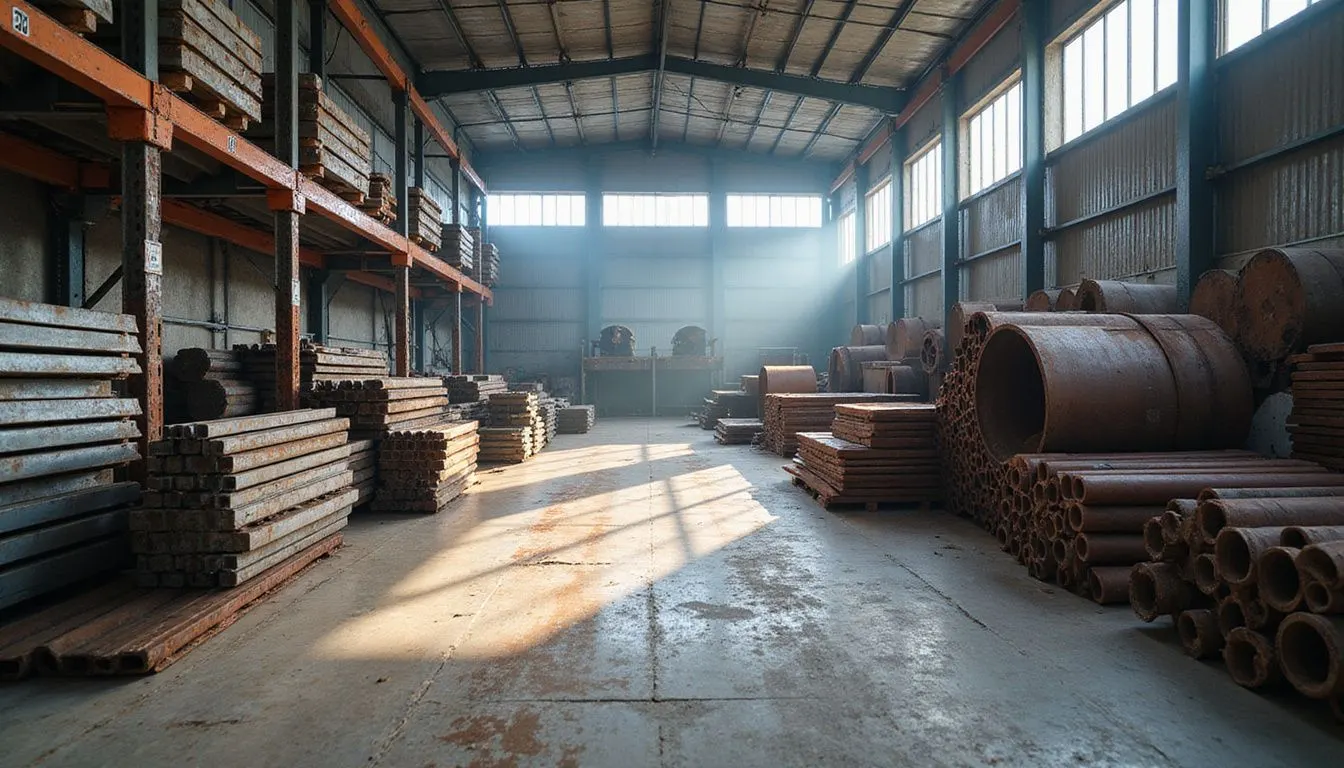
Industrial metal recycling facility with organised stacks of raw materials.
Non-ferrous metals in utilities and finishing
Non-ferrous metals serve critical roles in modern utilities and finishing work. Copper wiring carries electricity into homes and businesses safely. Aluminium packaging keeps food fresh and protects products during transport. Brass plumbing fixtures resist corrosion in water systems effectively.
Factories process both metal types daily. At our yard we collect discarded steel and iron for recycling. We separate copper, brass, and aluminium from waste streams. We earn revenue by processing these valuable materials, and homeowners benefit when contractors use the right metals for their projects.
Your project budget and performance requirements determine which metal works best. Copper wiring costs more than ferrous alternatives but provides superior electrical conductivity. Steel provides strength at lower expense for heavy-duty applications. Brass fittings cost more but last longer in plumbing systems.
How do I choose the right metal for my project?
Start by listing what your project must do. Each requirement points you to a specific metal type.
Ask yourself these key questions before you decide:
Does it need to resist rust? Ferrous metals like steel rust easily, so non-ferrous options such as aluminium or copper work better outdoors.
Does it need strength? Steel gives you power and durability for heavy structures.
What is your budget? Ferrous metals cost less than non-ferrous options, which helps factories and contractors manage expenses.
Does weight matter? Aluminium weighs less than steel, making it ideal for portable items and window frames.
What temperatures will it face? Some metals handle heat far better than others, so check your project's conditions.
Comparing different metals against these requirements before you build saves time and money early on.
At our yard we buy both ferrous and non-ferrous metals for recycling. Consider the circular economy approach. Using recycled metals cuts costs and helps the environment.
Aluminium is increasingly favoured for local automotive manufacturing and infrastructure because it is endlessly recyclable and combines light weight with strength. That makes it a strong, sustainable choice contractors who also want to keep costs competitive.
Talk to your contractor or supplier about corrosion resistance, weight, strength, cost, and temperature requirements. They know which metals work best 's climate and local conditions.
Your project succeeds when you match the metal to the job.
Conclusion
Knowing the difference between ferrous and non-ferrous metals helps you make smart choices for your projects and scrap sales .
Ferrous metals like steel and cast iron offer strength and affordability. Non-ferrous metals such as copper, aluminium, and brass provide corrosion resistance and higher scrap value. Matching the right metal to the job saves you time, money, and effort.
residents and local businesses can maximise their returns by identifying which metals they have and understanding their market worth. Contact us at our yard today to request current rates, as prices shift daily based on metal grade, weight, cleanliness, and market demand.
Prepare your scrap properly and arrange collection with us to get the best value for your materials.
Frequently asked questions
1. What is the main difference between ferrous and non-ferrous metals?
Ferrous metals contain iron as their primary component, while non-ferrous metals do not. This makes ferrous metals magnetic but prone to rust, whereas non-ferrous metals resist corrosion naturally.
2. Can you give examples of ferrous and non-ferrous metals?
Steel and cast iron are common ferrous metals used in construction and manufacturing. Aluminium, copper, and zinc are popular non-ferrous metals used across industries from electrical wiring to automotive parts.
3. Which type of metal is stronger?
Ferrous metals are generally stronger and harder, with carbon steel reaching high tensile strengths, making them ideal for construction, bridges, and heavy machinery.
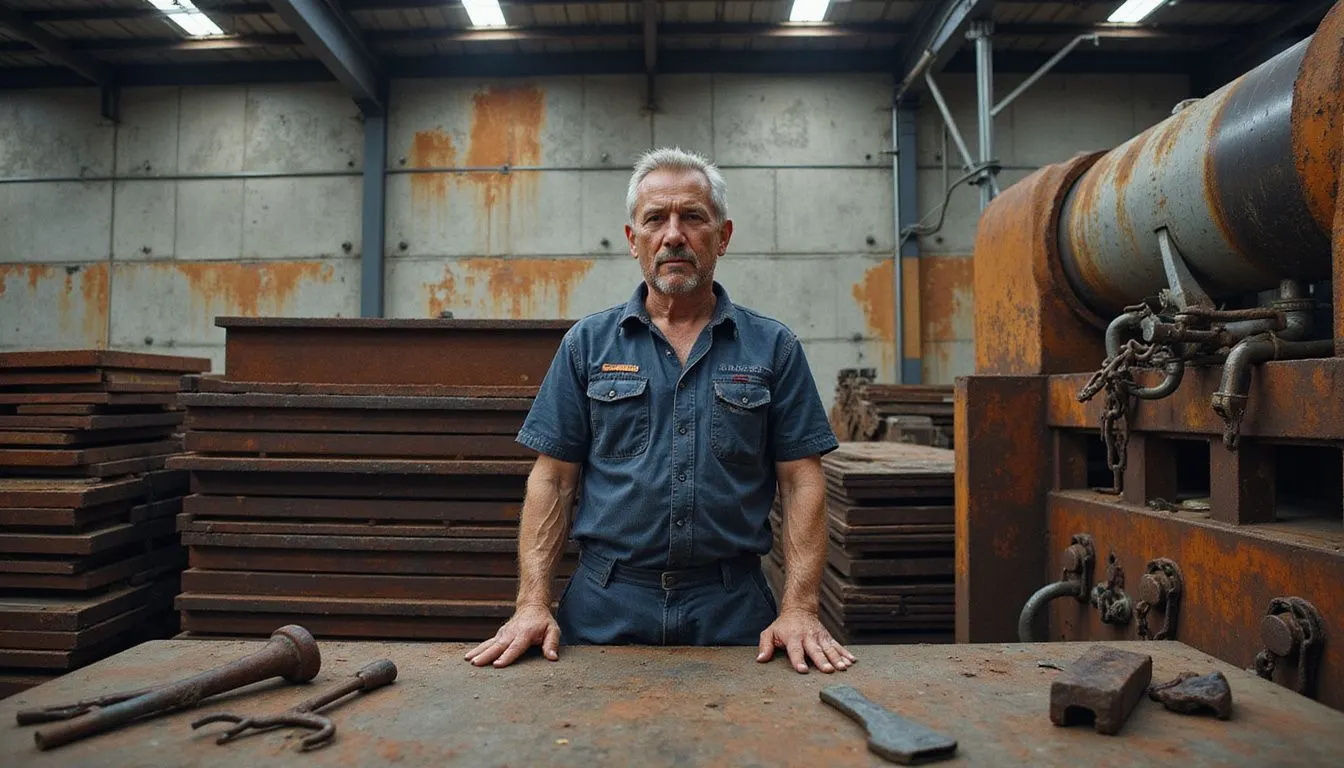
A muscular metalworker stands among industrial materials and tools.
4. Why do industries choose non-ferrous metals for certain jobs?
Non-ferrous metals are lighter, resist corrosion, and conduct electricity well. Industries use them in electrical wiring, aircraft parts, and plumbing systems. Copper's electrical conductivity is far higher than aluminium's, which is why it remains the standard for power distribution and electrical installations.
Know what your scrap is worth.
Request a fast quote, check indicative rates, and we'll weigh your load and pay you same-day EFT — we collect.
Indicative scrap buying rates are guidance, not a guaranteed offer. Grade, verified weight, collection availability and any charges are confirmed with you before an arrangement is accepted.