
Blog
Scrap Metal Blog & Industry News
Scrap metal trends, prices and recycling tips. We buy copper, aluminium, brass, steel and e-waste — sort your load and bring your ID.
Quick answer
We buy scrap metal at rates that shift daily based on metal grade, weight, cleanliness, current market rates, and dealer demand. Copper commands premium prices, while aluminium and brass vary by purity. Sort and clean your metal before you arrive, bring your ID and proof of address, and ask us for today's rate to get the best return.
On this page
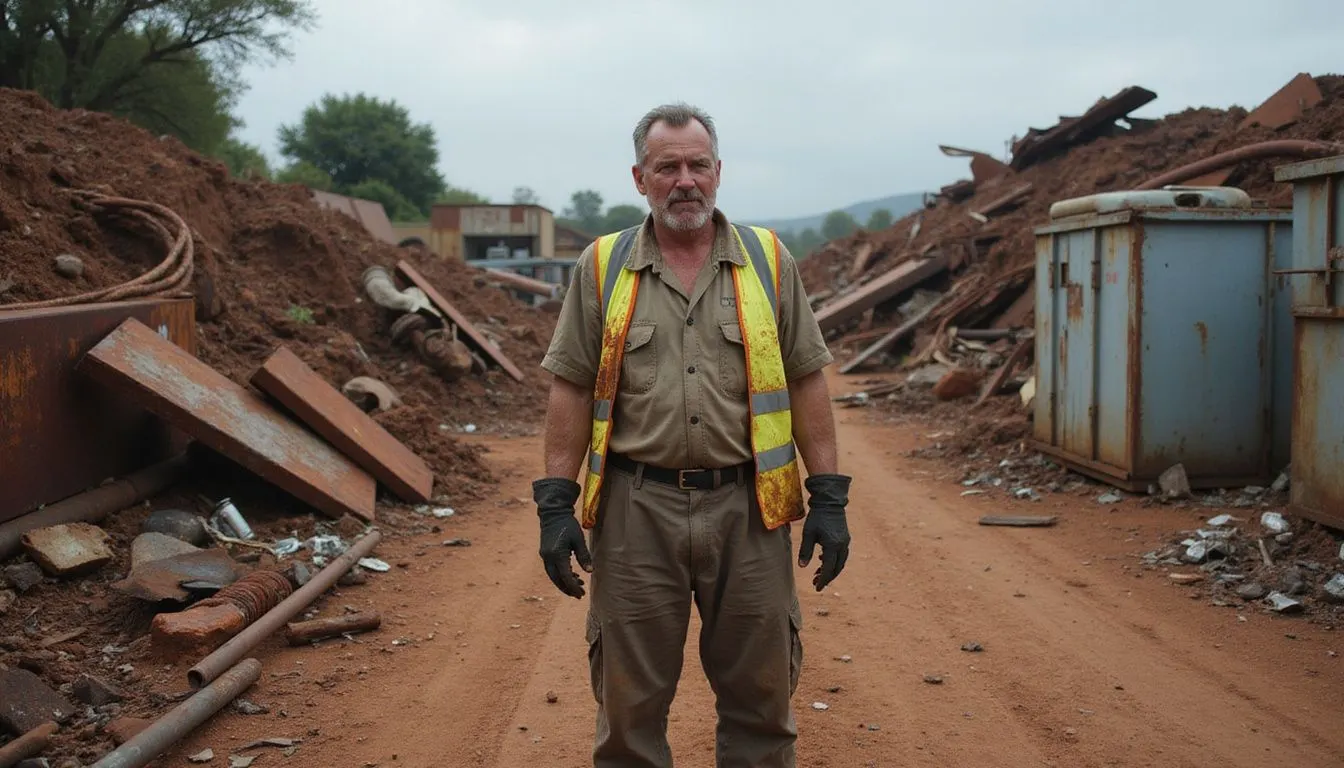
If you have ever arrived at a scrap yard gate with a boot full of copper pipe and had no idea what it was worth, you know the problem. Pricing in the scrap metal market is not random, but it can feel that way.
The good news is that it follows clear, learnable rules.
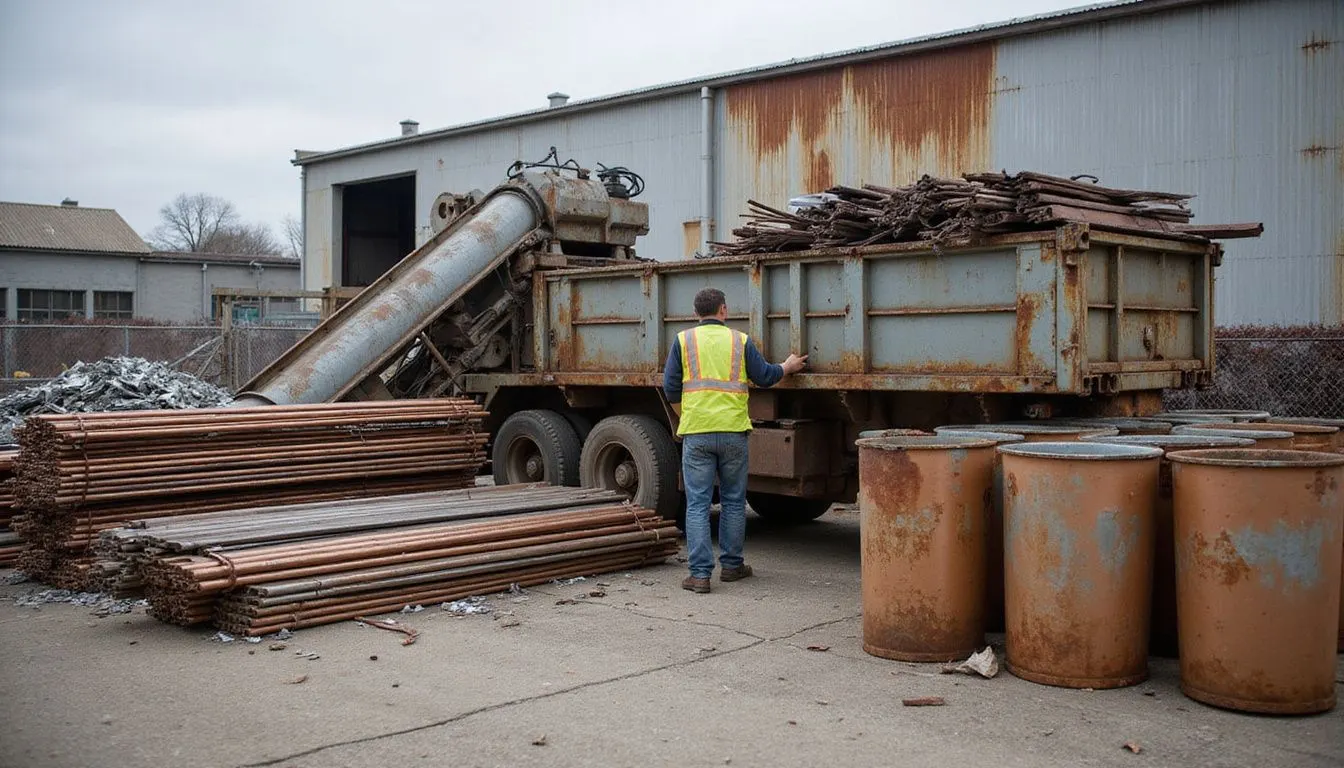
This article covers the latest trends in the scrap metal industry, a practical breakdown of what drives prices, and the technologies transforming modern recycling. You will also learn the environmental benefits of recycling your materials, and the legal steps you need to take before you sell.
Quick Facts & Key Takeaways
- Scrap metal prices shift daily based on metal grade, weight, cleanliness, market rates, dealer demand, and e-waste recycling content.
- Advanced technologies like automated sorting systems, eddy current separators, and plasma cutting equipment now process scrap metal faster and more efficiently.
- Recycling scrap metal reduces greenhouse gas emissions because it uses far less energy than mining and refining new metals.
- Local businesses, factories, and contractors recover precious metals and non-ferrous materials from end-of-life vehicles and site clearance projects.
- Homeowners and businesses earn cash whilst protecting the environment by selling scrap materials to us instead of sending them to landfills.
What are the latest trends in the scrap metal industry?
The scrap metal industry continues to shift in meaningful ways. Local businesses, factories, and contractors now focus on collecting and processing metal more efficiently than ever before.
Precious metals like gold, silver, platinum, and palladium attract growing interest from recycling businesses seeking higher returns. Non-ferrous metals such as aluminium, copper, and zinc remain central to modern collection efforts.
Several clear trends are shaping how the market works right now:
- End-of-life vehicles provide rich sources of scrap metal, with skilled recycling businesses extracting and sorting materials that were previously left behind.
- Site clearance projects generate significant quantities of metal waste, and recovery teams now divert those materials away from landfills.
- E-waste streams deliver precious metals and rare materials that factories value, creating a fast-growing specialist segment within scrap metal collection.
- Bright wire and clean copper tube command strong prices, making preparation and sorting a key part of any seller's strategy.
Stainless steel demand stays steady across construction and manufacturing sectors. Companies invest in better logistics to move materials faster and cut waste. Sustainability shapes how the industry operates and beyond.
's International Trade Administration Commission (ITAC) runs the Price Preference System (PPS) for scrap metal, an export policy that shapes local pricing. The regulations have also moved the industry away from cash towards traceable electronic payment. This affects how we pay you, so we confirm our payment method — same-day EFT — before you bring your load in.
Factories partner with local collectors to establish steady supplies of non-ferrous scrap metals. Homeowners discover they can earn money by gathering aluminium cans and copper items for collection. This shift toward responsible metal recovery is transforming how communities view waste materials as valuable resources.
How are scrap metal prices changing recently?
Scrap metal prices shift daily 's recycling market. Several factors drive these changes every single day.
Premium grades like bare bright copper wire (Grade 1) fetch the highest rates, while generic mixed brass sits much lower. Knowing your grades — and checking our current scrap metal prices before you arrive — means you leave with the best possible return.
| Factor Affecting Scrap Metal Prices | How It Affects Your Returns | What You Need to Know |
|---|---|---|
| Metal Grade | Higher grades fetch better rates at our yard | Copper commands premium prices; aluminium varies by purity |
| Weight | Larger quantities often receive improved pricing structures | Bulk loads from factories attract competitive offers |
| Cleanliness | Clean metal brings higher value than contaminated stock | Remove paint, oil, and rust before selling your materials |
| Market Rates | Global commodity markets influence 's daily quotations | Prices fluctuate based on international demand and supply |
| Dealer Demand | We adjust our rates based on current inventory needs | Brass and stainless steel see price swings with seasonal demand |
| E-waste Recycling | Electronic waste pricing reflects precious metal content recovery | Lead and circuit boards carry distinct valuation methods |
Cleanliness makes a real difference. Copper wire that is stripped and free of insulation grades higher and pays more per kilogram than the same wire left dirty or unstripped, so a little preparation converts directly to a better return when you sell scrap metal.
Before you bring your materials in, these practical steps will improve your returns:
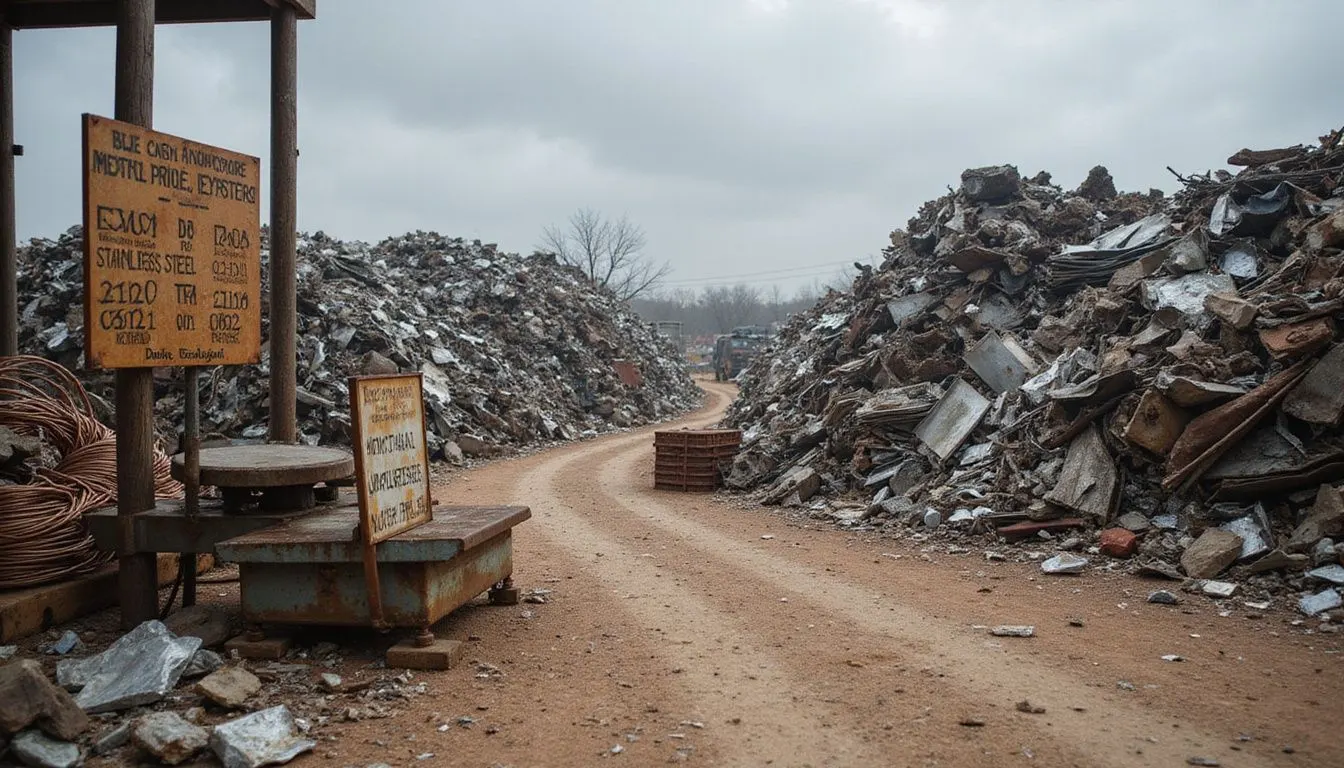
- Sort metals by type before arriving at our yard
- Remove non-metal attachments such as rubber, plastic, and insulation
- Clean surface contaminants where possible to lift your grade
- Ask us for today's rate before you travel in
Businesses managing regular scrap streams benefit most from understanding these price drivers. Your contractor team or factory operation should contact us for current quotations on non-ferrous scrap metals.
One practical step many sellers overlook concerns the legal requirements to sell scrap: under 's Second-Hand Goods Act of 2009, you must present a valid ID and proof of address to complete any legal scrap metal transaction. We are required to keep these records for five years to help combat metal theft. Arriving without these documents means you cannot complete your sale, so make sure they are in your bag before you leave home.
Innovations and sustainability in scrap metal recycling
New machines and smart systems are transforming how we recycle scrap metal today. Modern yards use better sorting, weighing, and tracking systems to cut waste and recover more usable material from mixed loads.
These advances protect our planet and create real value homeowners and businesses. The sections below break down exactly what these technologies are, and why the environmental gains matter.
What new technologies are used in scrap metal recycling?
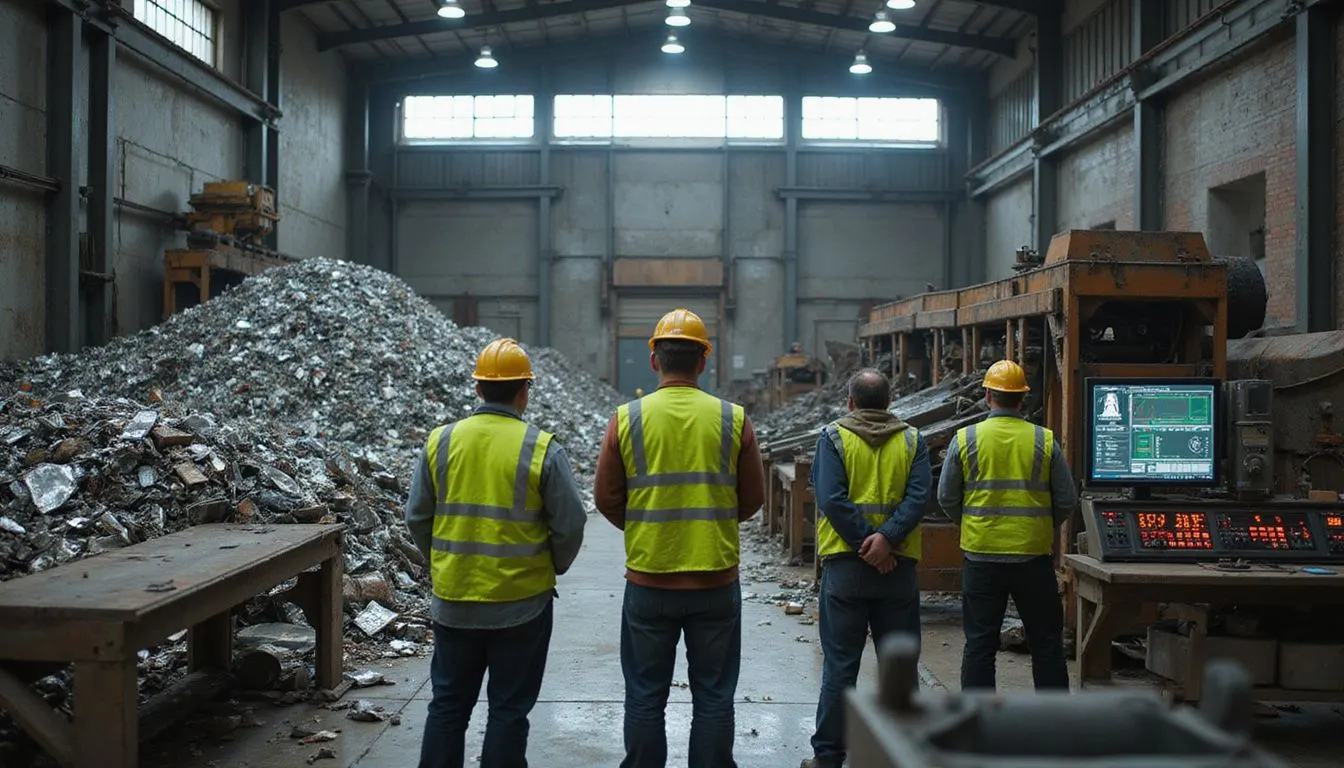
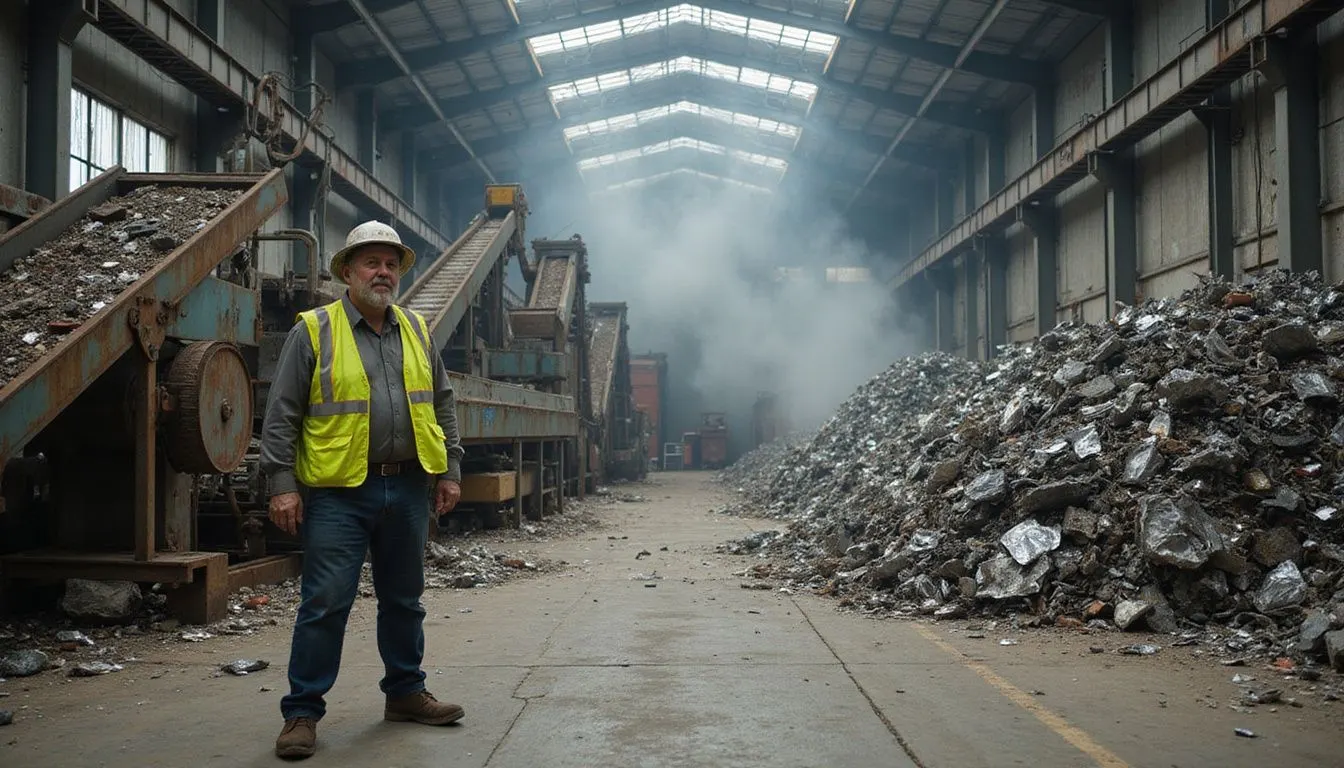
Modern scrap metal recycling facilities use advanced equipment that sorts and processes metals faster than ever before. These technologies help businesses and homeowners recycle their scrap more efficiently whilst protecting the environment.
The first category covers sorting and identification systems:
- Automated sorting systems identify different metal types using sensors and magnets, separating steel, aluminium, and copper without manual labour. This speeds up the recycling process significantly.
- Eddy current separators remove non-ferrous metals from waste streams using electromagnetic fields. Larger yards and specialist processors use this technology to improve recovery from mixed loads.
- Optical scanning equipment reads metal composition instantly, ensuring accurate sorting and reducing contamination in scrap metal collection operations.
- Magnetic pulleys lift ferrous materials from mixed waste streams continuously on conveyor belts at busy facilities.
The second category covers processing and facility infrastructure:
- Shredding machines break down large metal items into smaller pieces, making transport and melting easier for recycling businesses.
- Hydraulic balers compress metal scraps into dense blocks, reducing storage space and transport costs for contractors and factories.
- Plasma cutting systems slice through thick metal sheets with precision, preparing materials for melting whilst producing less waste than traditional cutting tools.
- Advanced furnaces melt scrap metals at controlled temperatures, improving quality and reducing energy consumption.
- Water treatment systems clean metal surfaces before processing, removing oils and contaminants from scrap metal collection batches.
- Real-time tracking software monitors material movement through facilities, helping businesses manage their recycling operations effectively.
Equipment upgrades like eddy current separators help smaller facilities improve both processing speed and non-ferrous metal recovery from mixed loads.
How does recycling scrap metal benefit the environment?
These advanced recycling systems do more than process scrap metal efficiently. They also protect our planet in meaningful ways. Recycling scrap metal reduces the need for new metal extraction, which conserves natural resources for future generations.
This process lowers greenhouse gas emissions because making steel and other metals from recycled scrap uses far less energy than mining and refining new material from ore.
Companies, from small contractors to large factories, help the environment every time they sell their scrap metal to us rather than sending it to landfills. Recovering valuable non-ferrous metals such as copper, aluminium, and brass keeps these materials in use instead of buried underground.
- Proper recycling of e-waste and batteries prevents harmful contamination of soil and water supplies.
- The recycling industry creates jobs whilst protecting the environment, which strengthens the local economy at the same time.
- Minimising waste in landfills promotes sustainability across the entire region.
Homeowners and businesses that choose to recycle scrap metal become part of this positive change. Your choice to recycle matters more than you might realise.
Conclusion
Scrap metal recycling shapes the future of and its surrounding areas. Your choice to recycle copper, aluminium, brass, stainless steel, and e-waste makes a real difference for the environment and your bottom line.
We offer collection services that turn your unwanted materials into a same-day EFT payout. Factories and contractors benefit from our factory scrap removal and demolition scrap solutions.
Contact us today to request a current rate on your materials. Bring your ID and proof of address, sort your metals before you arrive, and join the growing movement toward sustainable practices. Every tonne of metal you recycle protects our planet for tomorrow.
Frequently asked questions
1. What affects scrap metal prices?
Scrap metal prices depend on metal grade, verified weight, cleanliness, local demand, export controls, and commodity market movement. Clean sorted copper, brass, aluminium, stainless steel, and lead usually price better than mixed or contaminated loads.
2. Which scrap materials are worth sorting before collection?
Sort copper, brass, aluminium, stainless steel, lead, batteries, e-waste, and ferrous steel into separate piles before collection. Removing plastic, rubber, oil, and mixed attachments helps the yard grade the load faster and usually improves the final offer.
3. What documents should I bring when selling scrap metal?
Bring a valid ID or passport, proof of address where requested, proof of ownership for controlled materials, and bank details for EFT payment. Registered yards keep transaction records so the sale stays compliant with the Second-Hand Goods Act.
4. How does recycling scrap metal help the environment?
Recycling keeps reusable metal out of landfill, reduces demand for new mining, and saves energy in manufacturing. Separating batteries and e-waste also keeps hazardous material out of soil and water while recovering valuable metals.
5. How do new recycling technologies affect sellers?
Better sorting, weighing, tracking, and processing equipment helps recyclers identify grades more accurately and recover more usable metal from mixed loads. Sellers benefit when clean, well-sorted materials can be verified quickly and priced with fewer deductions.
Know what your scrap is worth.
Request a fast quote, check indicative rates, and we'll weigh your load and pay you same-day EFT — we collect.
Get a Quote