

Blog
Requirements to Sell Scrap Metal
How to sell scrap metal legally under the Second-Hand Goods Act — registration, documents, high-risk metals, penalties and pricing.
Quick answer
To sell scrap metal legally, you must deal with a yard registered under the Second-Hand Goods Act of 2009 and provide your identity document and proof of ownership. At our yard we buy your scrap, verify your ID, weigh every load, and keep the required transaction records for five years.
On this page
Most people sitting on scrap metal assume the hardest part is finding a yard that pays well. The harder part, as it turns out, is doing it legally.
's Second-Hand Goods Act of 2009 governs all scrap metal sales in the country.
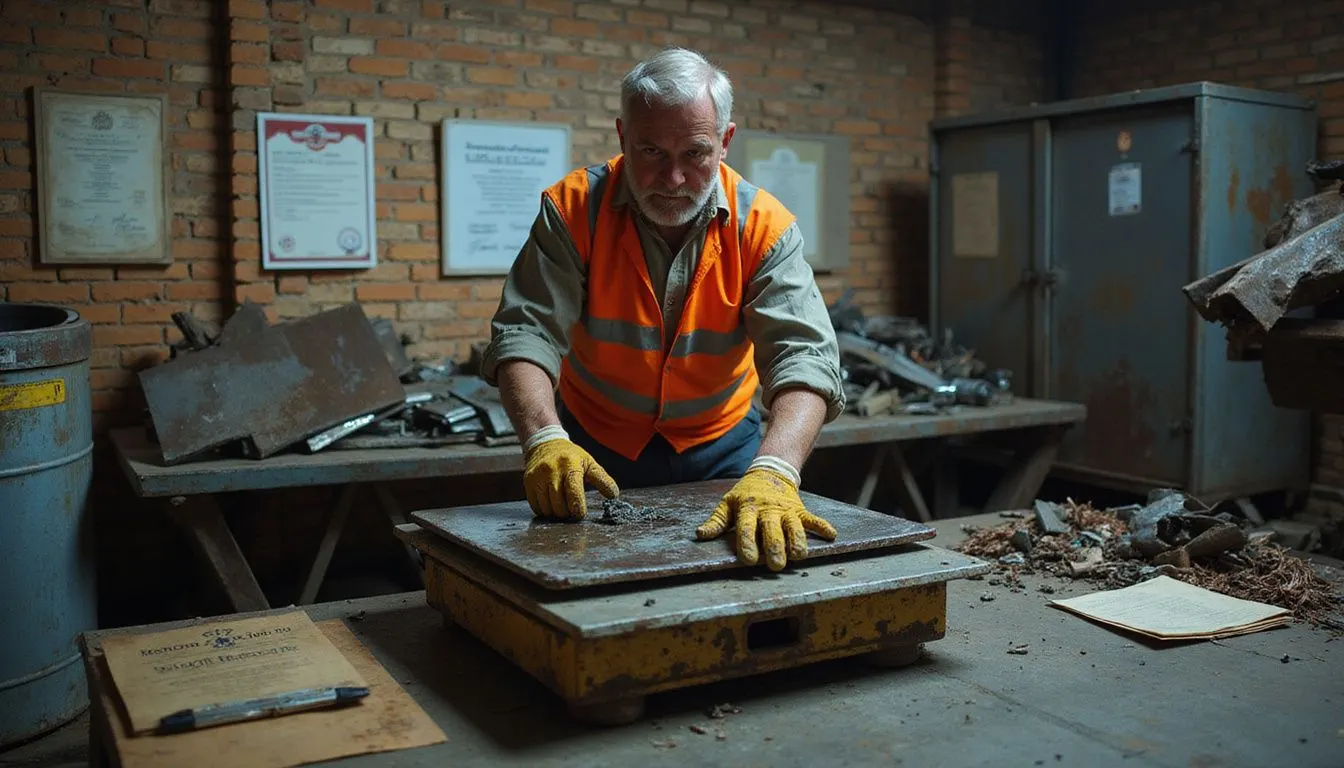
It covers who can sell, what paperwork you must keep, and which metals face the tightest controls. Knowing the rules before you sell protects you from serious penalties.
This guide breaks down each step clearly. You will learn the registration process, the exact documentation you need, how to spot a legitimate scrap yard, and the penalties you face if things go wrong.
Quick Facts & Key Takeaways
- 's Second-Hand Goods Act of 2009 controls all scrap metal sales, requiring registration and strict compliance to avoid penalties and legal consequences.
- You must maintain detailed transaction records for at least five years, including seller identification, metal types, weights, and prices for regulatory inspection purposes.
- Only sell scrap metal to a registered yard displaying valid Second-Hand Goods Act certificates. Unregistered yards underprice materials and expose you to legal risk.
- Copper, aluminium, brass, and stainless steel require additional documentation proving ownership sources to prevent theft and organised crime involvement in transactions.
- Non-compliance is a criminal matter that can result in prosecution, fines, licence suspension, and lasting reputation damage.
What are the legal requirements for selling scrap metal?
's Second-Hand Goods Act of 2009 sets out the rules you must follow when you sell scrap metal. The Department of Trade, Industry & Competition and the Civilian Secretariat for the Police Service enforce these laws to stop metal theft and protect the scrap metal recycling industry.
How do I register under the Second-Hand Goods Act?
Registering under the Second-Hand Goods Act of 2009 protects your scrap metal business and keeps you in line with industry standards. Follow these steps to operate legally.
- Contact your nearest SAPS station and request the second-hand goods dealer registration form (SAPS 601). You will also need to demonstrate a satisfactory Tax Compliance Status before approval is granted.
- Gather your identity document, proof of residence, and business registration papers before you submit your application.
- Complete all sections of the form with accurate information about your business operations and location.
- Pay the required registration fee and submit your completed application, along with supporting documents, to your provincial licensing office for processing.
- Await verification of your details. Officials will check your background and business credentials against existing records before issuing your certificate.
- Display your registration certificate prominently at your scrap yard once approved, and renew it as required to maintain legal status.
Once registered, keep detailed records of all transactions, including supplier information and material descriptions, for inspection purposes. Make sure your waste management practices align with resource recovery standards set by local regulations. Training your team on tax compliance and proper documentation procedures is equally important under the Second-Hand Goods Act framework.
What documentation do I need for scrap metal transactions?
Before we buy your scrap metal at our yard, we gather the right documents for every deal. 's second-hand goods regulations require complete records for every transaction we make.
- We hold our Second-Hand Goods Act of 2009 registration certificate from our local SAPS station. Every yard must hold this licence before trading any materials.
- We collect proof of ownership from you when you sell us scrap metal, including your identity document or business registration papers that confirm your legal right to sell.
- We keep detailed transaction records showing the date, time, seller's full name, the type and weight of metals we buy, and the price we pay for each load.
- We request written statements from waste pickers and informal collectors about where they sourced copper scrap and other high-risk materials we receive from them.
- We store photographs of large material batches before we process them. These images serve as proof of the condition and quantity we received.
- We file all documentation for at least five years. The Act sets this five-year retention period as the statutory minimum for transaction registers and copies of identity documents, and police can inspect these records at any time.
We also keep a logbook that tracks which recycling businesses and scrap yards we sell materials on to, including their registration details and contact information. We document any hazardous waste materials separately, noting safe handling and disposal methods according to environmental regulations.
Approved Scrap Metal Dealers
You must sell to a registered yard to sell your scrap metal legally. Choosing a reputable, registered yard protects you from breaching the Second-Hand Goods Act of 2009 and keeps your transactions safe.
How can I identify registered scrap yards?
Verifying a yard's credentials before you sell protects your interests and ensures legal compliance. Here is how to check us, and any yard operating in.
- Check that the yard holds valid registration under the Second-Hand Goods Act of 2009, which governs all yards. Ask us — or any yard manager — for proof of registration before conducting any transactions.
- Confirm the yard also holds a valid municipal trading licence and operates from a fixed, permitted premises rather than an informal or mobile setup.
- Ask local contractors and factories which yards they trust. Their recommendations carry real weight in the local industry.
- Verify that the yard displays current business licences and municipal permits on the premises.
- Confirm the yard maintains transparent pricing structures and provides written documentation for all transactions.
Visiting the yard in person is always worthwhile. Organised record-keeping systems, clear signage, and a professional setup are all positive signs. You can also search municipal records to confirm the yard operates legally within 's zoning regulations.
Why is it important to choose reputable scrap metal dealers?
As a reputable yard, we maintain our Second-Hand Goods Act compliance strictly. We ensure accurate pricing and fair transactions for your scrap materials. We comply with legal regulations, reducing fraud risk in every deal.
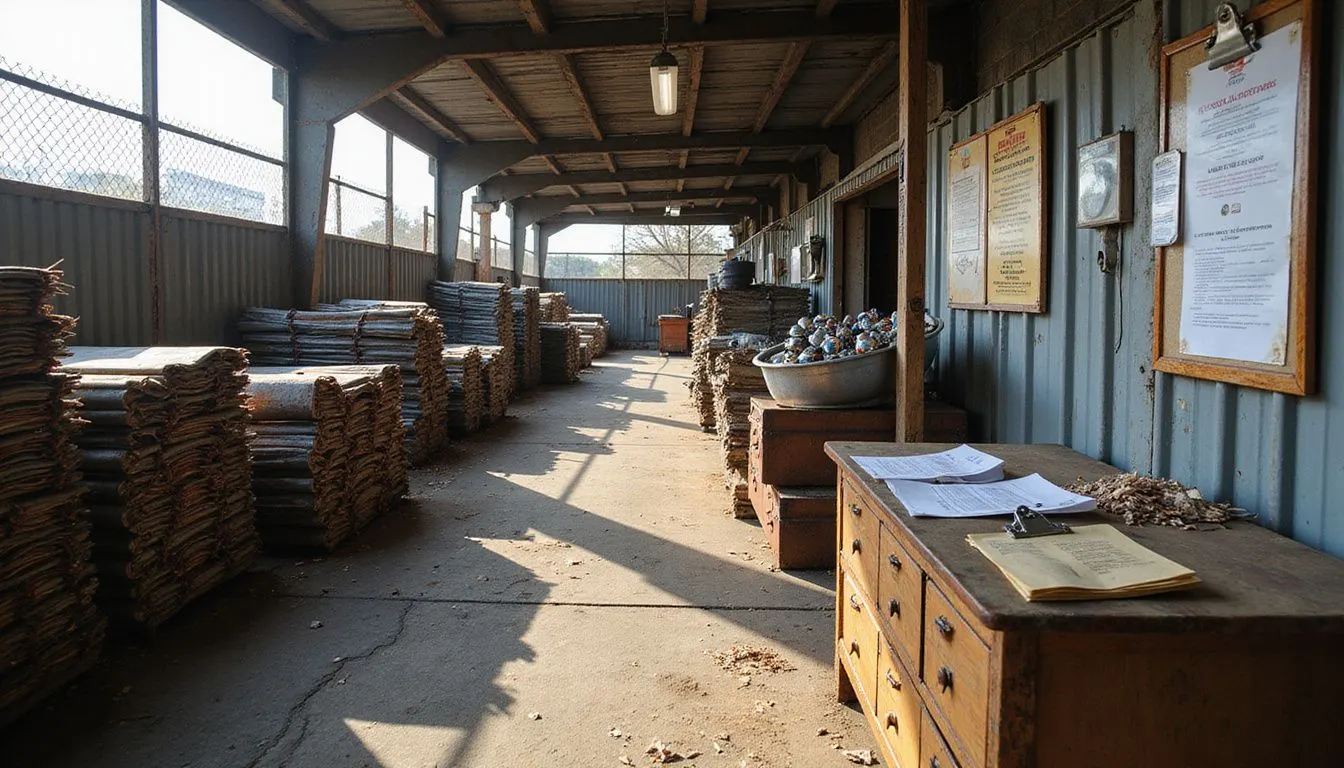
We provide transparent information on metal grading and pricing so you know exactly what you receive. We also collect and handle scrap metals safely at your site, and we properly recycle non-ferrous metals, batteries, and e-waste according to environmental standards.
Honest scales and fair weights are the foundation of every good scrap metal transaction.
Unregistered or questionable dealers often underprice your materials and exploit uninformed sellers. They also leave you exposed to legal risk if the material is later linked to a compliance breach.
We maintain proper documentation for all transactions under regulatory oversight. Your choice of yard directly improves the value you receive and your protection under law.
residents, businesses, contractors, factories, and recycling businesses gain real protection when they sell to a yard registered under current legislation. Transparent dealings build lasting relationships with a yard that values your business.
What regulations apply to specific metals?
Different metals face different rules under law. Copper and other high-value materials require strict tracking because thieves target them frequently.
What are the rules for selling copper and other high-risk materials?
Selling copper and other high-risk metals requires strict compliance with regulations that protect against theft and illegal trading.
| High-Risk Material | Key Rules and Requirements |
|---|---|
| Copper Wire and Cables | • You must obtain seller identification and proof of ownership before accepting any copper materials • Scrap yards must verify the source of all copper received • Records must show the date, quantity, and seller details for every load • Under phased policy implementation actions gazetted by the Department of Trade, Industry and Competition (DTIC), sellers of copper scrap must also be registered. Casual, unregistered copper sales by private individuals or entities are effectively prohibited under current law • Dealers cannot purchase copper from unknown or unverifiable sources |
| Aluminium and Brass | • Registration under the Second-Hand Goods Act applies to these metals • You must keep transaction records for at least five years • Licensed dealers verify materials come from legitimate sources • Bulk quantities require additional documentation |
| Stainless Steel Components | • Sellers must provide identification documents at point of sale • Dealers log all transactions in official registers • Material descriptions must match physical items received • Photographic evidence supports high-value transactions |
| Lead and Other Hazardous Metals | • Environmental permits govern the handling of lead materials • Safety protocols protect workers from toxic exposure • Certification proves proper disposal methods were followed • Inspectors verify compliance with health standards |
| General Trading Restrictions | • Homeowners and businesses cannot sell restricted metals without proper channels • Contractors must use registered scrap yards for project materials • Factories require compliance certificates for bulk metal sales • Recycling businesses need active licences to trade in high-risk categories |
Our copper intake procedure gives full traceability without long delays. We record the seller's ID and photograph on arrival, the seller signs a source declaration, we photograph the load and tag each batch, we weigh the materials on a verified weighbridge and record the result in our transaction ledger, and our manager verifies all documents and tags before authorising payment. This creates a complete audit trail for every copper load.
We display our valid registration certificate and record every transaction involving copper, brass, or aluminium. Police and inspectors conduct regular checks on all yards. Non-compliance results in fines and business closure. You protect yourself by dealing only with a certified yard like ours.
What penalties exist for non-compliance with scrap metal laws?
Non-compliance with scrap metal laws carries severe consequences for homeowners, businesses, contractors, factories, and recycling businesses. Understanding these penalties protects your operation and reputation.
| Penalty Type | Details | Impact on Your Business |
|---|---|---|
| Financial Fines | Regulatory bodies impose fines on individuals and businesses that breach scrap metal regulations. These fines vary based on violation severity and repeat offences. | Direct costs reduce your profit margins. Multiple violations increase the financial burden significantly. |
| Trading Licence Suspension | Scrap dealers risk losing their trading licences for repeated violations. This suspension halts all legitimate business activities immediately. | Your operation stops completely. Revenue generation ceases until reinstatement occurs. |
| Criminal Charges | Illegal scrap metal transactions trigger criminal prosecution. Trading without proper registration, falsifying transaction records, or dealing in stolen property can result in criminal charges, substantial fines, and imprisonment. | Personal liability increases substantially. A criminal record damages future employment and business prospects permanently. |
| Record-Keeping Violations | Scrap dealers must maintain accurate documentation for the statutory five-year period. Failure to comply results in enforcement action from regulatory authorities. | Inspections uncover breaches quickly. Penalties accumulate with each missing record or falsified entry. |
| Reputation Damage | Non-compliance harms your standing within the scrap metal community. Customers and partners avoid businesses with poor compliance records. | Future contracts disappear rapidly. Business opportunities vanish as trust erodes. |
| Regulatory Inspections | Authorities conduct regular inspections to verify compliance. Failed inspections lead to formal violations and corrective action orders. | Operational disruptions occur during inspection periods. Corrective measures require time and resources to implement. |
| Compliance Enforcement | The Second-Hand Goods Act enforcement ensures all dealers follow established procedures. Violations trigger escalating penalties for repeat offenders. | Escalating consequences mount with each infraction. Your business faces increasing scrutiny from regulators. |
Protecting your scrap metal business requires strict adherence to all regulations. Register properly under the Second-Hand Goods Act and maintain complete documentation. Regulatory bodies take violations seriously and enforce penalties consistently.
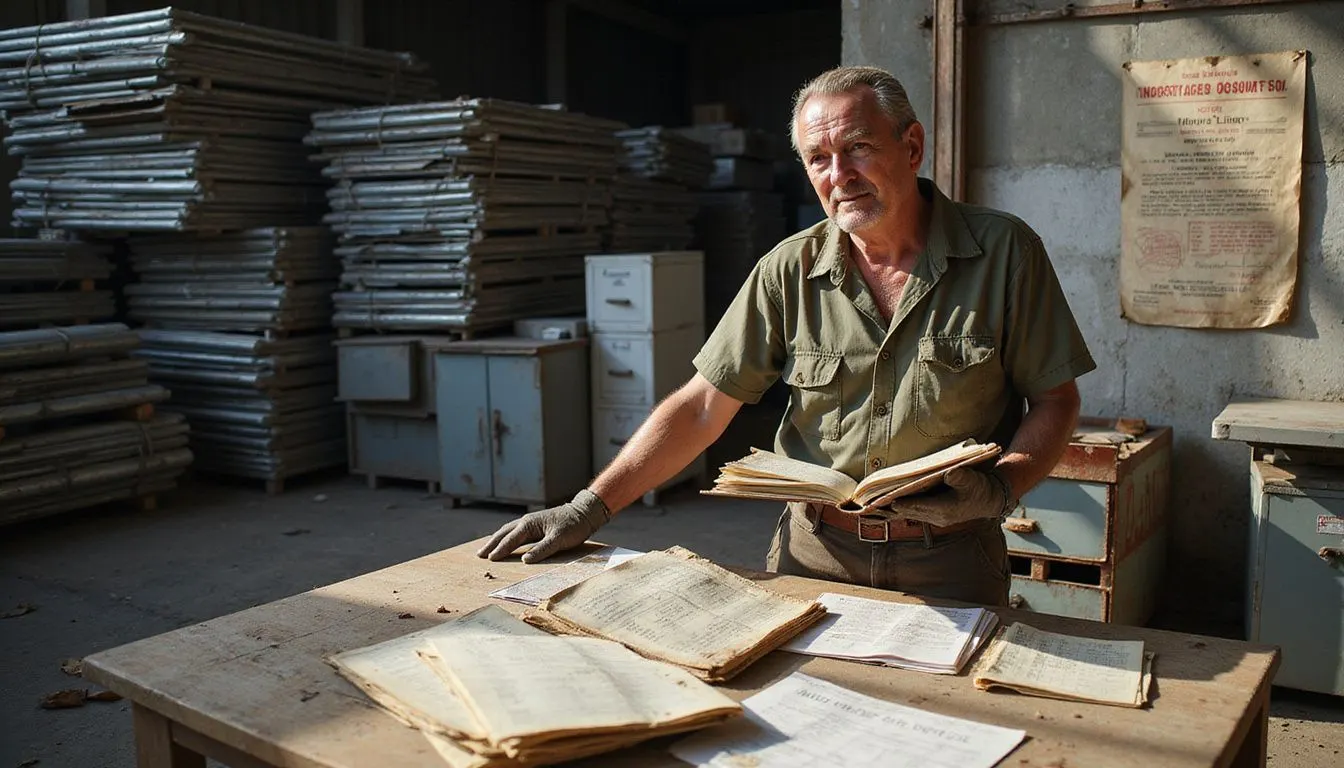
Your trading licence represents your livelihood. Protect it through compliant practices. Criminal charges carry long-term consequences well beyond financial penalties, and reputation recovery takes years after compliance failures occur.
Honest dealers gain a clear competitive advantage over non-compliant operators. Inspections happen without warning, so readiness prevents costly violations. Choose legitimate scrap yards, follow all record-keeping requirements, and your business will operate securely within legal boundaries.
What are some tips for ethical scrap metal trading?
Ethical scrap metal trading protects your reputation and ensures you follow the Second-Hand Goods Act of 2009. You build trust with buyers and sellers when you operate with honesty and transparency.
- Know the exact grade, weight, and cleanliness of your scrap metals before you quote prices to customers.
- Request current scrap metal rates so you understand market values and avoid underpaying sellers.
- Categorise your metals correctly into copper, aluminium, brass, stainless steel, lead, batteries, and e-waste to ensure accurate pricing.
- Never fabricate information about metal quality or misrepresent what you are selling to scrap yards.
- Provide honest documentation for all transactions you complete under Second-Hand Goods Act requirements, and maintain accurate records of weights and grades for every load.
- Choose registered scrap yards that operate with transparency and maintain ethical trading standards consistently.
Understanding what drives local pricing is equally important. The International Trade Administration Commission of (ITAC) manages the Price Preference System (PPS), an export policy under which local scrap metal rates are heavily influenced by domestic export controls. This means the price a yard offers you can differ noticeably from global benchmarks like the London Metal Exchange copper price. Knowing this helps you set realistic expectations when you sell.
Prepare your scrap materials correctly, as timing and preparation methods affect the final price you receive. Track pricing changes through ITAC updates and our scrap metal blog for fair dealing. Licensed buyers operate within this regulated pricing framework, so knowing the system protects you in every transaction.
Conclusion
Selling scrap metal requires you to follow 's legal framework, particularly the Second-Hand Goods Act of 2009.
If you deal in scrap as a business you must register, keep proper documentation for five years, and work only with approved scrap yards; a private seller simply needs to sell to a registered yard with a valid ID.
Getting the right price matters too. Request current rates before you sell your copper, aluminium, brass, stainless steel, or other metals. Following these rules protects you from penalties and keeps your transactions legitimate.
Start your scrap metal journey with confidence by selling to a reputable, registered yard like ours.
Frequently asked questions
1. What is the Second-Hand Goods Act of 2009?
The Second-Hand Goods Act of 2009 is a law that regulates the trade of used goods, including scrap metal, to prevent theft and illegal trading.
2. Do I need a licence to sell scrap metal?
If you trade in scrap as a business — buying to sell on — you must register as a second-hand goods dealer with the police (SAPS). A private individual selling their own scrap does not register as a dealer, but must sell to a registered yard and provide a valid ID and proof of address for the transaction record. Copper is more tightly controlled: even individual copper sellers may need to be registered under current DTIC policy.
3. What records must I keep when selling scrap metal?
You must record the seller's full name, identity number, address, and a description of the goods for every transaction. Under the Act, these records must be kept for at least five years and be available for inspection by the Police Service at any time.
4. What happens if I sell scrap metal without following the Second-Hand Goods Act of 2009?
You can face criminal prosecution, substantial fines, and imprisonment if convicted. The law treats operating without proper registration as a criminal offence.
Know what your scrap is worth.
Request a fast quote, check indicative rates, and we'll weigh your load and pay you same-day EFT — we collect.
Get a Quote